


Trend shows shifting views, OMSA President Zoe Tsai suggests
New CaRMS Match Day results suggest interest in primary care is rebounding, with just 42 unfilled Ontario family medicine residencies this year.
This compares to the 96 unfilled R1 spots at this time last year, and comes on the heels of the FHO+ model announced last year and set to be implemented on April 1.
We spoke with Zoe Tsai, chair of the OMA Section of Medical Students and president of the Ontario Medical Students Association, about the possible renewed interest in family medicine and what could be driving this shift.
 What are your thoughts on Ontario’s R1 results?
A: I was very intrigued. Many more family medicine spots were filled this year it sounds, which makes me really happy.
I’m really glad that family medicine looks much, much better, because in previous years there’s been a lot of unmatched spots. I think more students are willing to choose it as a backup, and that probably helps with family medicine match rates. It also helps with match rates in general, hopefully.
But at the same time, my concern goes to the people going for competitive specialty spots that are still going unmatched. I haven’t seen the numbers on the unmatched applicant data, but I was surprised that there were a few competitive specialty spots that did not fill this round.
What is the general feeling among medical students regarding family medicine?
A: We’ve definitely had a shift in our class sentiment around family medicine compared with back in my first and second year.
I think a lot of us, unfortunately, straight away didn't consider family medicine because of a negative sentiment around the practice itself, which includes the compensation. And then as we were going through clinicals, that’s when the new PSA went through and some of us had the opportunity to hear about it. All of us were mandated to rotate in family medicine, and I think depending on your clinic or staff or preceptor, the experiences could really change the sentiment positively, like for example hearing about the PSA.
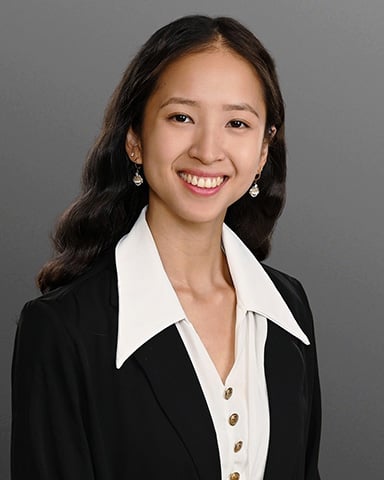
Zoe Tsai is the chair of the OMA Section on Medical Students and president of the Ontario Medical Students Association.
However again, I think that is only the perspective of people who actually had preceptors to tell them about things like the new PSA. A lot of other factors came into play, for sure.
I think a lot of people are realizing the scope of family medicine is just so broad and flexible, which makes it attractive. But what worries me in a way is that, I’m hearing a lot of folks that are going into family planning to specialize, like doing plus ones. We definitely need more of those specialists, but we also need more comprehensive family doctors, the ones who run a longitudinal, comprehensive clinic.
How do you feel about the future of family medicine in the near term?
A: I do have an optimistic mindset. I think that things are swinging back around, because the payment model has been changing a lot, and I think that now reflects in residents’ sentiment towards family medicine.
And that translates from staff to residents to medical students. That’s how it trickles down. If you notice the residents are happy, the staff are happy, they recommend it, that changes things. That has totally shifted from when I first started med school.
This interview has been condensed and edited for clarity.
Jessica Smith is a staff writer at the OMA.