

Physician Services Committee
Driving physician compensation, advocacy and system change for every OMA member
About the PSC
Accountable to the OMA Board of Directors, the Physician Services Committee is a bilateral committee of the OMA and the Ministry of Health. OMA’s PSC provides advice to the association as it relates to implementation of PSAs, physician compensation models, and emerging health-system challenges. It also represents the association, and by extension the membership, in dispute resolution processes. The OMA-specific PSC provides advice to the association, upholds the OMA’s governance standards and ensures integration with the organization’s broader advocacy and policy goals.
Its mandate is to:
- Build and sustain a strong, positive relationship between Ontario’s physicians and the Government of Ontario
- Receive and consider reports and recommendations outlined in each Physician Services Agreement
- Advise on the evolving role of physicians within Ontario’s health system, including improved models of care delivery and physician compensation
- Develop recommendations — either independently or in response to other committees’ reports — to enhance the quality and effectiveness of medical care in Ontario
- Participate in dispute resolution processes established under the PSA or other agreements between the OMA and the Ministry of Health
- Consider matters referred to it by either the Ministry of Health or the OMA
Through this work, the PSC ensures that the medical profession’s voice is strong, unified and central to decisions that affect your practice and patient care.
Contact us
if you have any questions about the work of the PSC, please reach out to us and we’ll get back to you promptly.
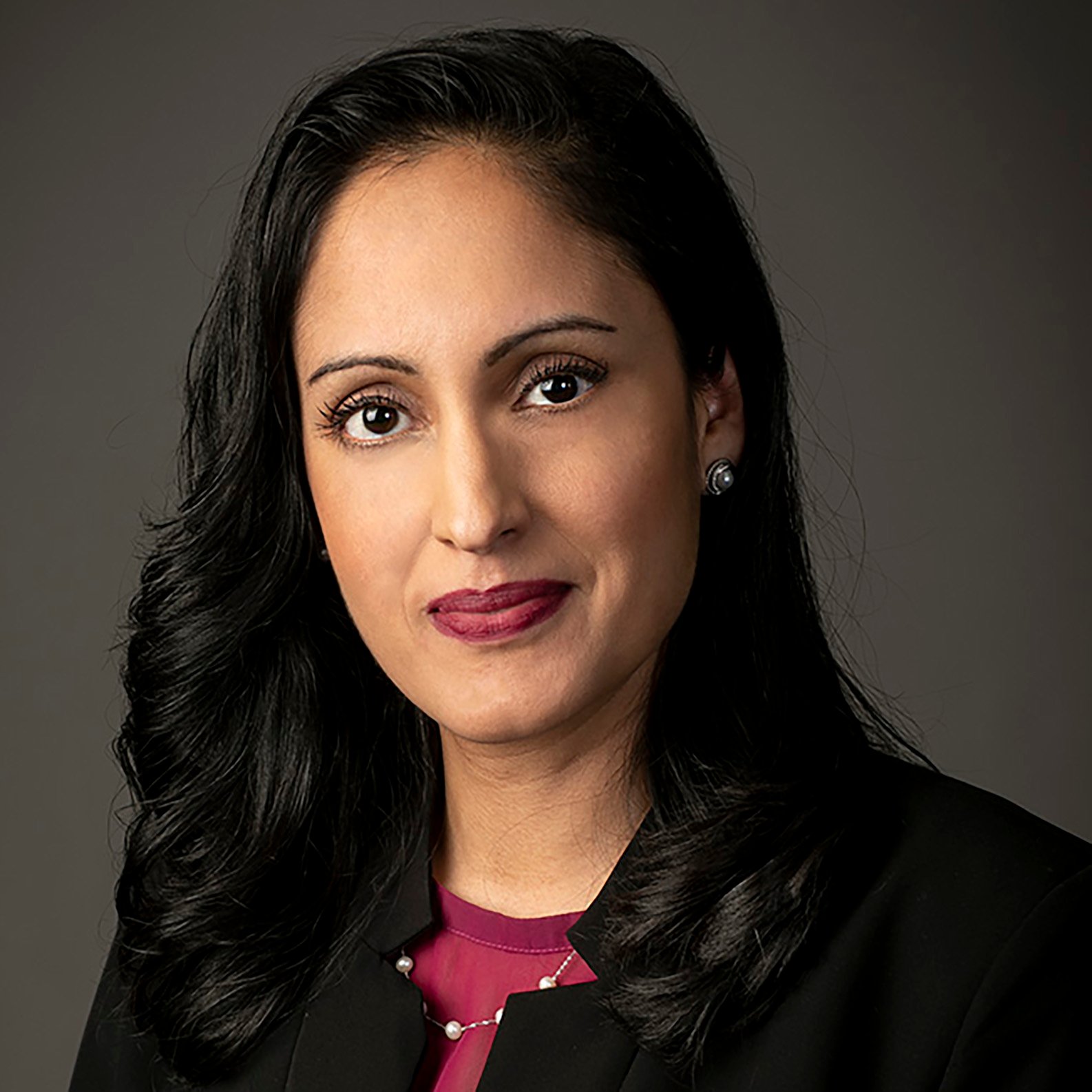
Dr. Sonal Gandhi is an academic medical oncologist at Sunnybrook Health Sciences Centre in Toronto and an associate professor (clinician in quality and innovation) in the Department of Medicine at the University of Toronto. She holds an MSc in health technology assessment and is completing an executive global health care MBA.
Her clinical expertise is breast cancer and acute oncology, and she serves as regional quality lead for Sunnybrook’s Division of Medical Oncology, representing systemic therapy quality at OH–Cancer Care Ontario. Dr. Gandhi’s research and innovation work centers on improving cancer care models. She developed a novel physician assistant–led urgent oncology program to reduce emergency department use, leads interprofessional toxicity management programs, and has applied AI to predict high-risk ED utilization by cancer patients. She also collaborates on research evaluating novel response-monitoring technologies for neoadjuvant breast cancer treatment, contributes to provincial and national breast cancer guidelines, has been on clinical guidance panels for national HTA evaluation of novel cancer drugs, and co-directs an international quality improvement fellowship through the Centre for Quality and Patient Safety (C-QuIPS). She is committed to collaborative, accountable, sustainable and innovative health-systems improvement.

Dr. Nikolina Mizdrak is a family physician with the Toronto Western Family Health Team and an assistant Professor in the Department of Family and Community Medicine at the University of Toronto. She provides clinical care, teaches medical students, residents, and fellows, and serves as finance chair for her practice. In addition to her clinical and academic roles, she has delivered workshops and presentations on negotiation skills and physician leadership, with a focus on supporting women in medicine.
Within the OMA, Dr. Mizdrak has served on the Negotiations Team since 2017 and is the vice-chair of the Negotiations Task Force for the 2024-28 Physician Services Agreement. She is chair of the Physician Services Committee and has previously served as a District 11 Delegate, chair of the Acuity Modifier Working Group, and member of the Education & Prevention Committee. Her work has focused on negotiations, physician compensation and physician advocacy. One of her passions is to improve Family Medicine in Ontario with a push towards the core team model to deliver care to patients.
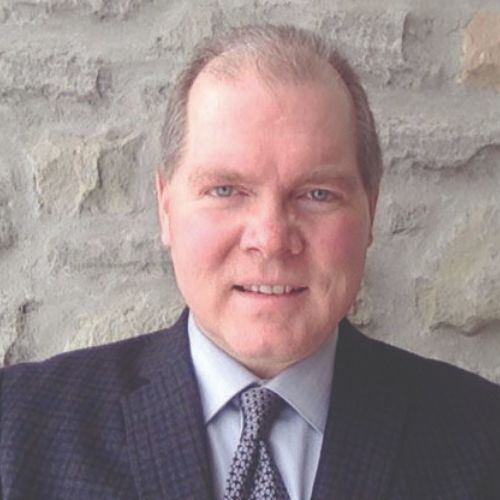
Dr. David Schieck is a family physician based in Guelph, Ont., with an active community practice and hospital privileges at Guelph General Hospital and St. Joseph’s Health Centre. He has extensive leadership experience in both the OMA and the broader health system. Dr. Schieck has served on the OMA Section on General and Family Practice (SGFP) Executive since 2009, including terms as chair (2016-17, 2021-22), vice-chair, and health policy chair. He currently serves as vice-chair of the Physician Services Committee, District 3 chair and is a member of the Compensation Panel and OMA Physician Human Resources Committee. He has played a key role in OMA negotiations and tariff work, including serving on the OMA Negotiations Primary Care Reference Group, and SGFP Tariff Team bringing direct experience with physician compensation structures, fee schedules, and negotiations.
Beyond the OMA, Dr. Schieck has held numerous system-level roles focused on primary care, quality, and integration. He has served on the OMA-MOH Physician Services Committee OHT Working Group, the HQO Primary Care Quality Advisory Committee, and the OPCN Clinical Advisory Council, as well as leadership positions within the Waterloo-Wellington LHIN, including Subregion Clinical Lead and Primary Care Advisory Committee member.
Ex-officio members
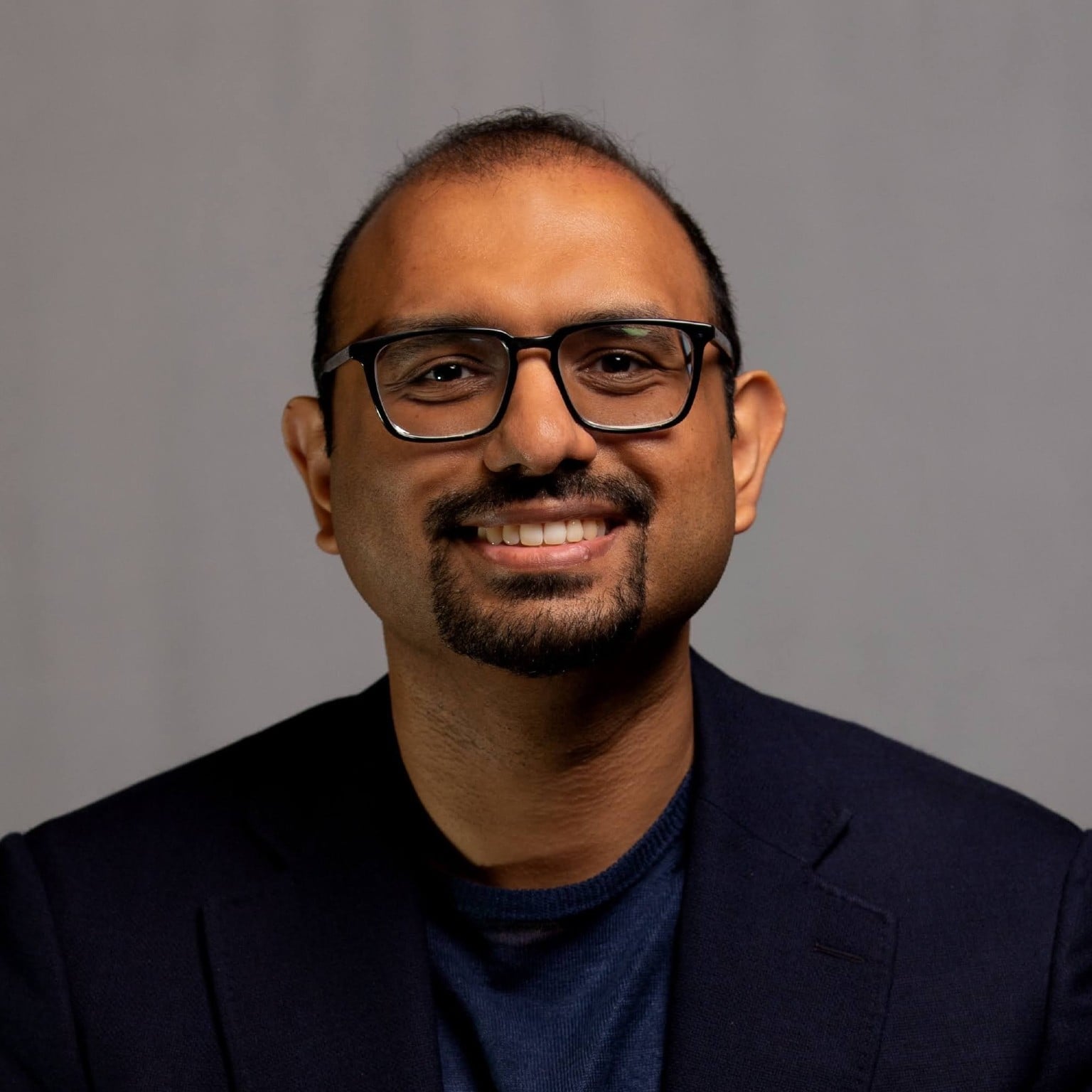
Dr. Haroon Yousuf is the OMA president-elect. He is a general internist and physician leader who serves as head of hospital medicine at Hamilton Health Sciences and associate chair for Equity, Diversity, Inclusion and Indigenous Reconciliation in the Department of Medicine at McMaster University. Dr. Yousuf has served as OMA District 4 Secretary and Internal Medicine Tariff lead and through these roles developed internal medicine billing talks that have been delivered across several sections and districts.
Dr. Yousuf also holds additional senior academic roles at McMaster University, including hospitalist fellowship director and co-chair of the Professional Competencies program. He was also instrumental in developing the McMaster–PEI Collaborative Hospitalist Fellowship, an interprovincial partnership with Health PEI designed to address specialist workforce shortages by creating a structured training and licensure pathway for internationally trained internal medicine physicians, while expanding access to care in underserved regions. Through these roles, he has contributed to academic governance, curriculum design, and postgraduate training oversight across clinical and educational settings.
Dr. Yousuf’s work spans hospital operations, academic medicine, medical education, and equity-focused system leadership, with an emphasis on building physician-led structures that support high-quality patient care and workforce sustainability.
Why the PSC matters to you
The PSC’s work directly affects your practice, your income and your patients. Here’s how:
- Fair and predictable compensation — Implementing PSAs means fairer fees and payment schedules that reflect the complexity of your practice
- Modern billing systems — Streamlining fee codes and updating the Schedule of Benefits to reflect today’s technology and practice realities
- Physician workforce planning — Identifying shortages and supporting recruitment and retention strategies so physicians can practice where they’re needed most
- Health-system transformation — the PSC provides physician leadership in broader health-system changes, ensuring that reforms are designed with physicians’ input and protect the quality of patient care
Current priorities
2024–28 PSA implementation: Overseeing implementation of both legacy and new PSA commitments, including development and repair of APPs, FHO+ and targeted funding initiatives implementation, and monitoring of other PSA deliverables.
Visit our PSA implementation page for more updates.
Health-system transformation and physician leadership: Supporting physician engagement in major health-system initiatives, including primary care transformation, digital health modernization, scope-of-practice changes, and ensuring physicians remain central to the design and implementation of evolving care models.
Health human resources planning: Advancing rural and northern workforce strategies, including development of permanent recommendations for the $10M Underserviced Area Program (UAP) investment and implementation planning for a Rural Coordinating Network to support physician recruitment, retention, and workforce sustainability.
Issue management and dispute resolution: Acting as a forum to identify, escalate, and resolve implementation and operational issues impacting physicians, including disputes related to PSA commitments and systemic challenges such as administrative burden and payment processes.
Member engagement
Your input drives the PSC’s work. Stay involved by:
- Responding to OMA surveys
- Joining consultations, focus groups or working groups
- Following updates via OMA communications channels and the PSC implementation dashboard