

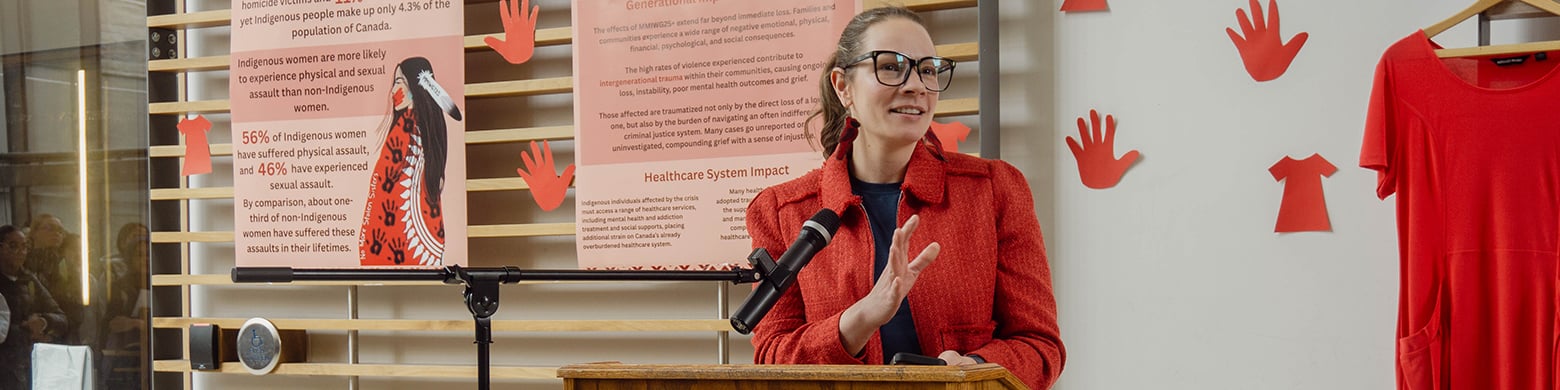
Dr. Jamaica Cass is driving systemic change to improve care and outcomes for Indigenous Peoples
A key reason Dr. Jamaica Cass works in Indigenous health is to remove the shame and blame Indigenous patients face for the health disparities that affect them.
“If I sat here constantly hearing all the things that my patients experience within the system, outside of community, that moral injury would cause me to burn out and quit,” she told the OMA. “But it’s because I hear these things that I spend my time doing something about it.”
The Indigenous physician, mentor and recent Order of Ontario recipient has dedicated her career to creating equal health-care opportunities for Indigenous Peoples, and is not slowing down anytime soon.
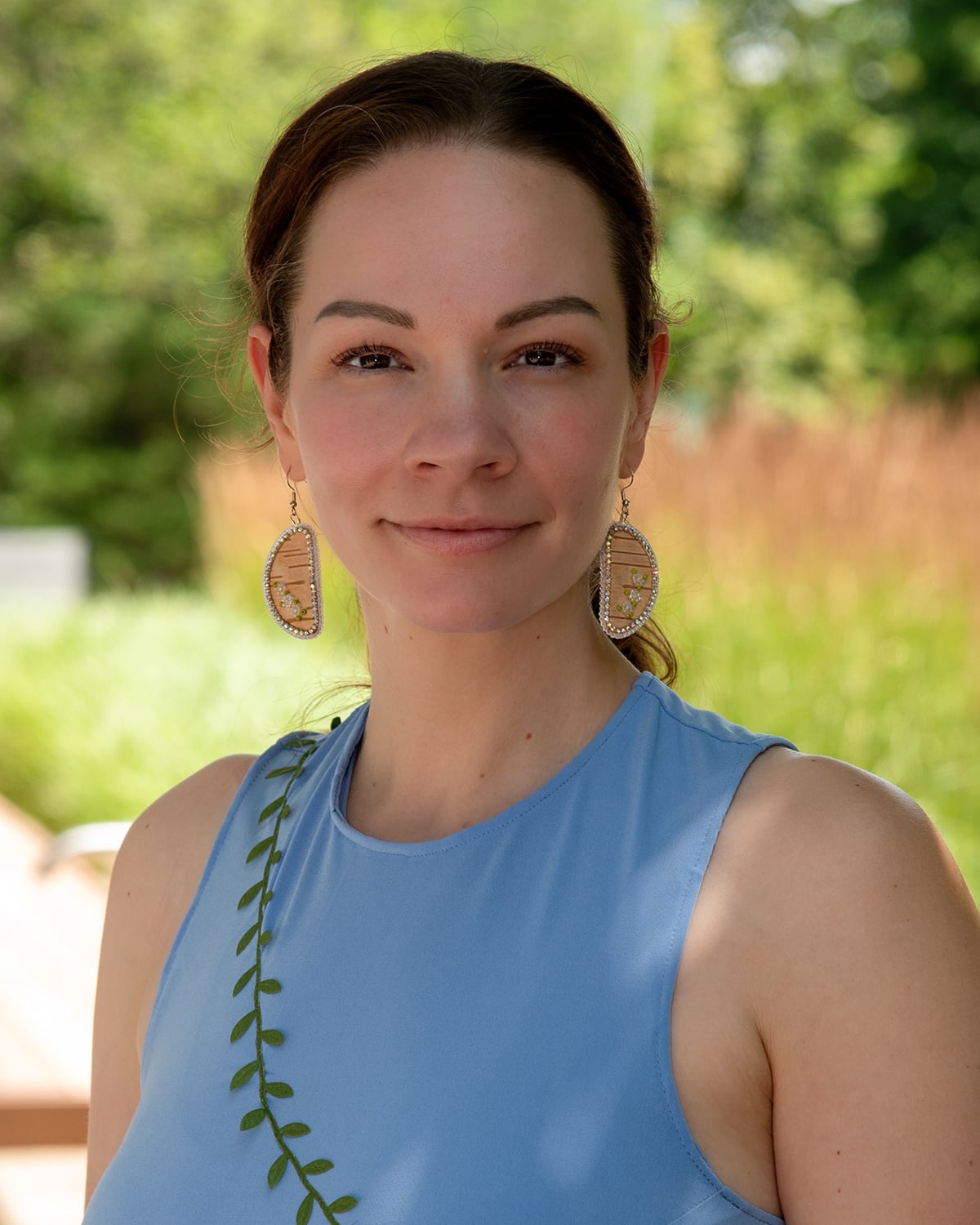
Dr. Cass is a member of the Mohawks of the Bay of Quinte and a primary care physician in her home community of Tyendinaga — about 65 kilometres west of Kingston, Ont.
Fascinated by science from an early age, she went on to earn a doctor of philosophy in breast cancer molecular biology from Queen’s University. From there, she obtained her doctor of medicine in 2017 from Tulane University in New Orleans, began a surgical residency but left after three years, and then completed a family medicine residency.
Dr. Cass said her medical training as an Indigenous woman was challenging because of a lack of mentorship and toxic training environments.
However, she is encouraged by the progress being made for others following a similar path.
“We’re starting to see some systemic change,” she said. “Certainly, there are more Indigenous voices at decision-making tables.”
After completing her residency and having two children, she returned to her territory to practise. She’s currently the community’s only Mohawk family doctor, but a second is starting soon.
Dr. Cass also serves as the director of Indigenous Health at Queen’s University’s Department of Family Medicine. There, she leads educational and clinical programs, including the Weeneebayko Health Education Program, which hopes to recruit, train and retain Cree health professionals for First Nations communities surrounding Moosonee, Ont.
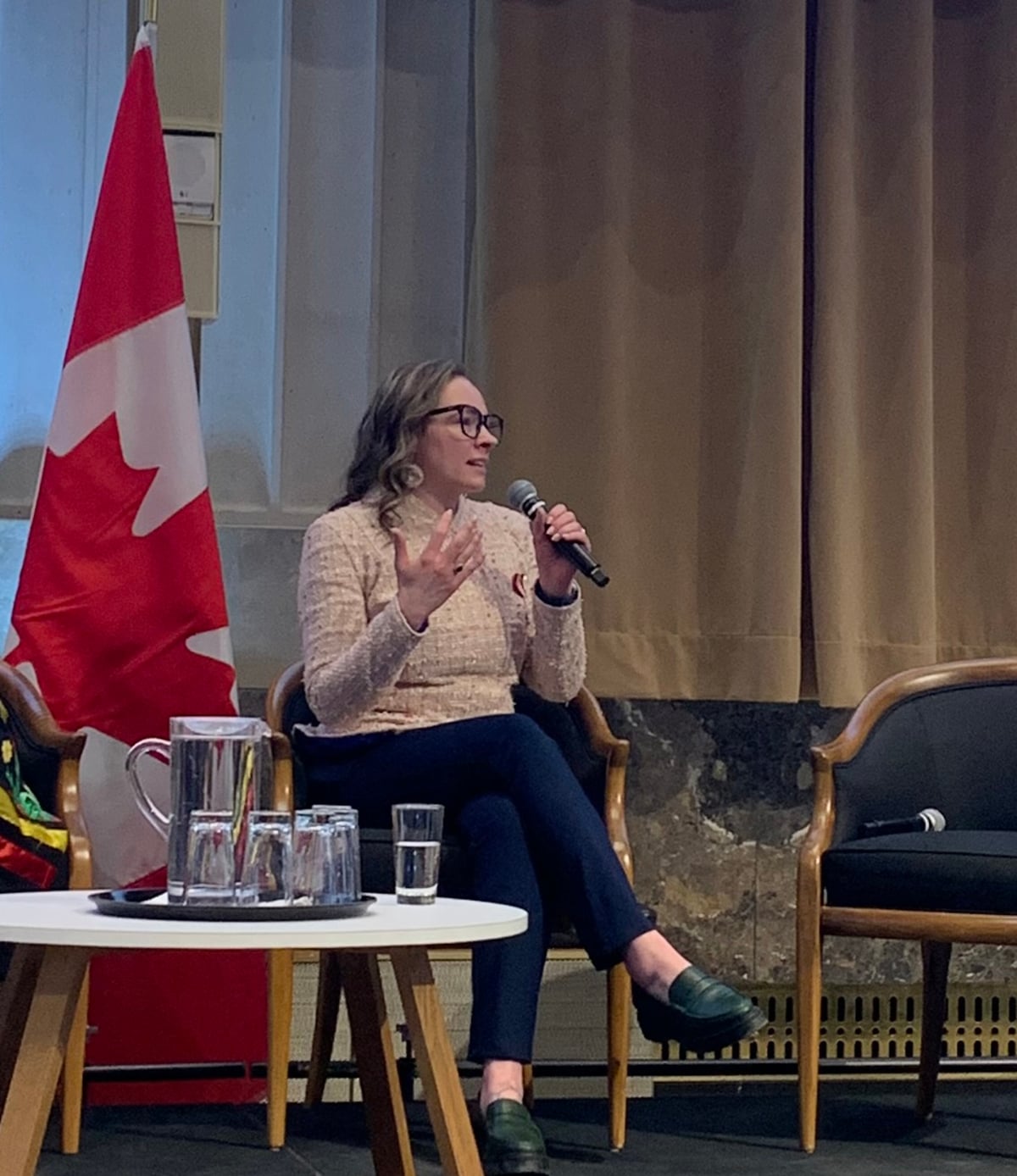 Despite progress towards reconciliation, Dr. Cass emphasized that Indigenous Peoples continue to be stigmatized.
“If I had a dollar for every time one of my patients came to me with a culturally unsafe and overtly racist encounter with a health-care system, I could retire,” she said.
She added that she also personally faces misconceptions in the system.
“I’ve been asked by non-Indigenous physician leaders, ‘Oh, you’re an Indigenous physician, so you must practise traditional medicine.’ And I have to say, ‘No, I have the same MD as you do.’”
To address these disparities and create a better health-care system for Indigenous Peoples, Dr. Cass recommends the implementation of mandatory anti-racism and cultural safety training, recruitment and retention strategies for Indigenous Peoples, and hiring Indigenous leaders that have sufficient budgets and decision-making authority.
“Before I leave my professional career, if not this Earth, I would like to see the disparities between Indigenous and non-Indigenous people close.”
Outside of her own practice, Dr. Cass is working to make these recommendations a reality. She’s an active volunteer, serving on the board of the Indigenous Physicians Association of Canada and is a member of the Medical Council of Canada, among other roles.
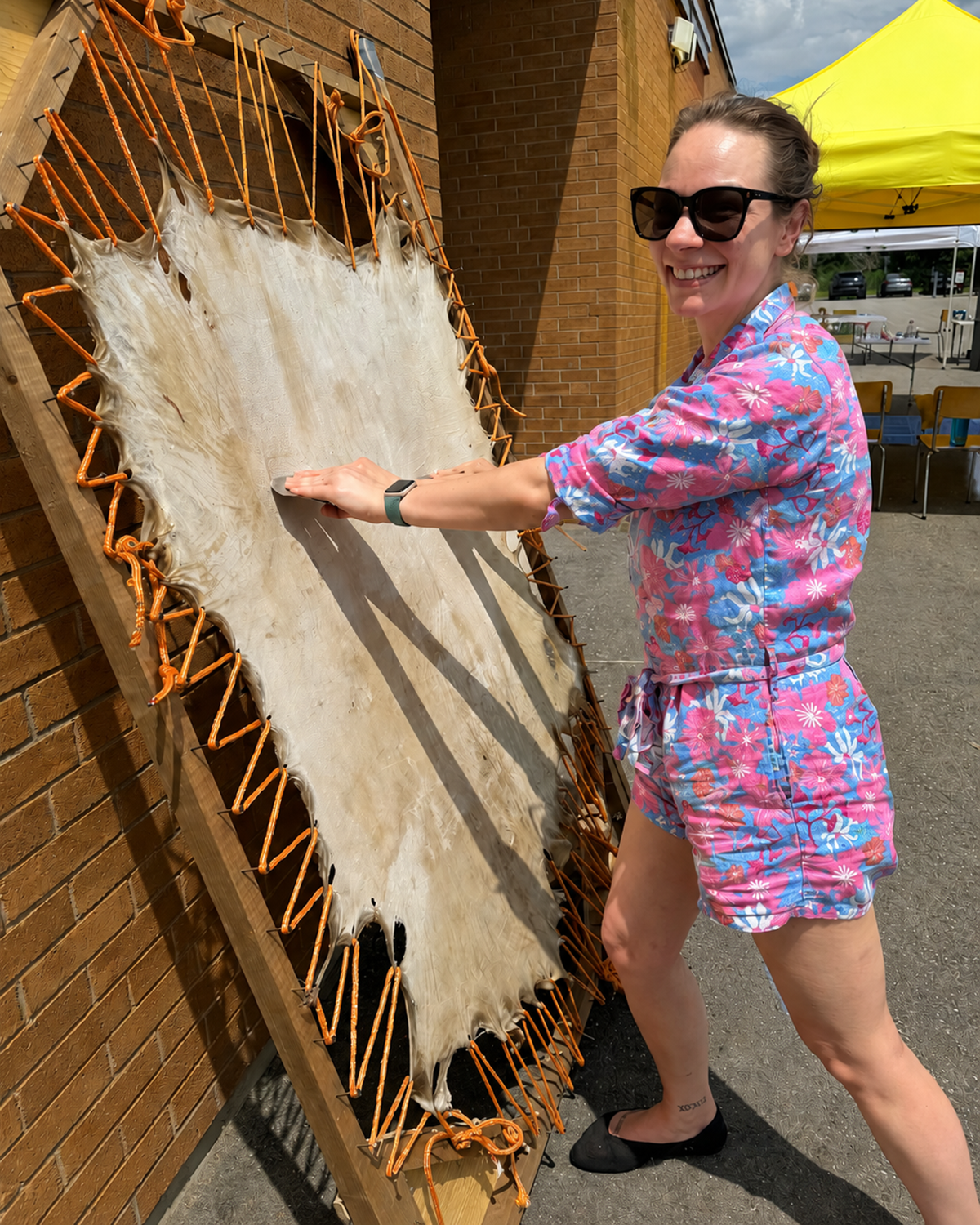
Beyond her activism, she enjoys spending time with family outdoors and creating Indigenous beadwork and garments.
Reflecting on her career, she said the most rewarding aspect has been mentoring the next generation of physicians — an essential part of her mission to advance reconciliation.
“Before I leave my professional career, if not this Earth, I would like to see the disparities between Indigenous and non-Indigenous people close.”
Dr. Cass has a simple piece of advice for anyone wanting to be an ally: “Do your homework.”
Read the many available reports to understand the issues and the changes needed, including the Truth and Reconciliation Commission of Canada’s Calls to Action and the final report of the National Inquiry into Missing and Murdered Indigenous Women and Girls, among others.
Then, importantly, take action. “Pick a couple of recommendations that are within your wheel of power and privilege to enact and start doing it,” she says.