


An international medical graduate adjusts to working in Ontario
Dr. Olga Deengar admits she was shocked by how different Ontario’s health-care system is from the U.S. after returning home to practise following her international training.
“The patient load has been the biggest challenge,” she said. After seeing about 20 patients on a typical day in Connecticut, she now sees between 30 and 40 patients daily in Toronto.
From higher patient volumes to paper charting, Dr. Deengar says she faced significant challenges as an international medical graduate adjusting to practising in the province.
However, the experience taught her valuable insights, and gave her a fresh perspective on health care in Ontario.
In addition to her work as a locum hospitalist, Dr. Deengar works as a life coach for women physicians and professionals. On June 5, she will lead a workshop, Adapting to Canadian Hospital Medicine, at McMaster University’s Second Annual Hospitalist Conference.
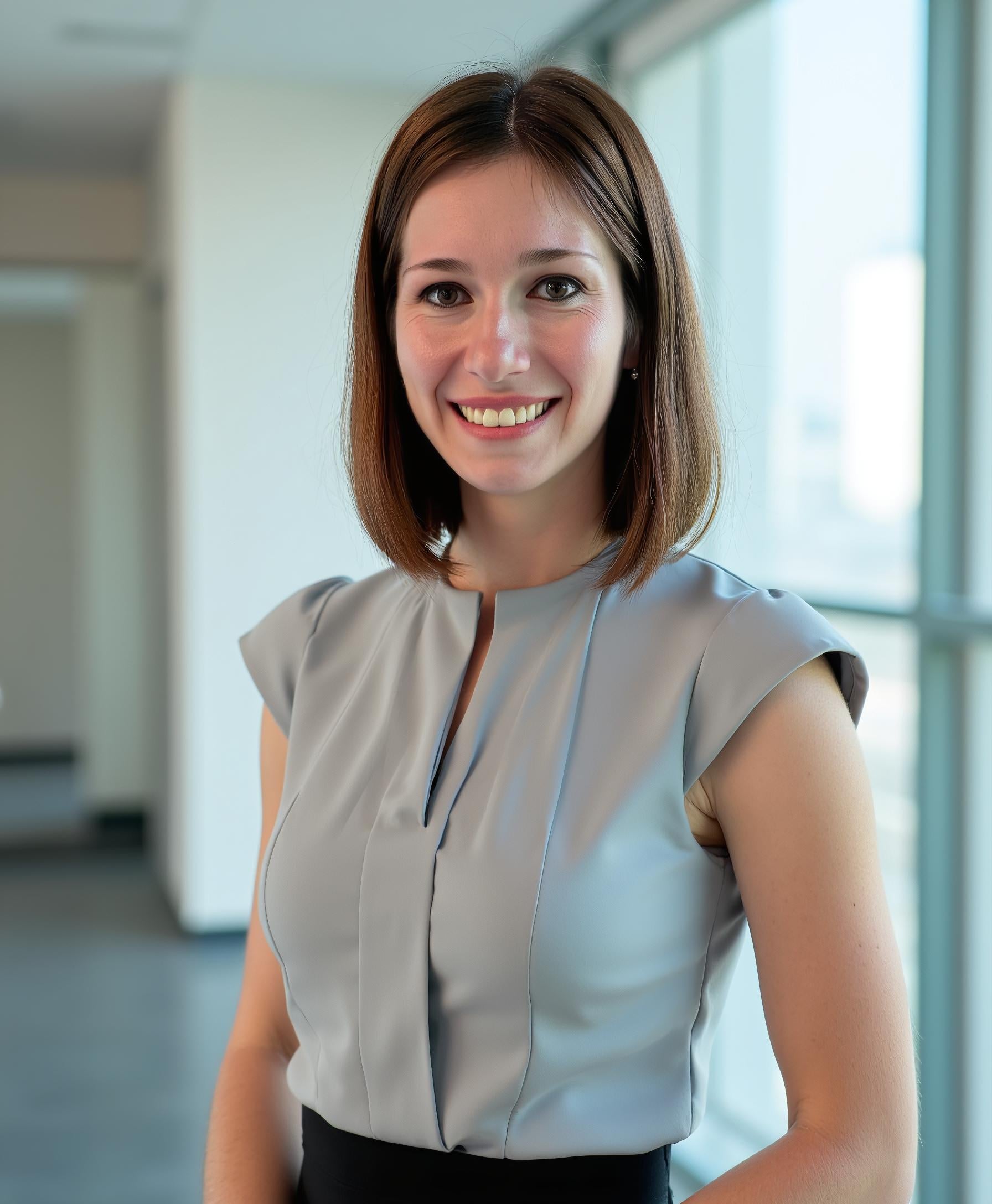
Raised in Richmond Hill, Ont., Dr. Deengar travelled to the Dutch Caribbean to earn her doctor of medicine at Saba University School of Medicine in 2018. She then went to Connecticut, where she completed her internal medicine residency at Norwalk Hospital and worked as a full-time hospitalist for two years at Charlotte Hungerford Hospital before returning to Ontario to practise.
To her surprise and delight, getting licensure for Ontario was relatively easy after the CPSO amended its alternative pathways program in 2023. The initiative helps physicians trained in the U.S. return to Ontario through an application process.
In about eight weeks, Dr. Deengar received her Ontario medical licence and was able to practise.
Shortly after returning to the Greater Toronto Area with her husband and two boys, she started a full-time hospitalist position at Runnymede Health Care Centre in Toronto.
“What I’ve loved most about the transition is how supportive everyone has been,” Dr. Deengar told the OMA. “With the doctor shortages across the province, the nurses, front desk staff, and cleaning staff have been especially grateful to have a new physician taking care of patients at Runnymede.”
However, in addition to the increased patient load, she faced other hurdles adjusting to Ontario’s health-care system.
At first, she was charting by paper — a laborious task she did not have to do in the U.S.
“This was mind-blowing,” she said. “And I mean, what can you do? That’s just part of how the hospital system is set up, and you have to comply with the rules.”
Managing her own billing was another new concept.
“Billing is something I never had to think about before. It was always done by the designated billing department as part of the hospital system (in the U.S.),” she said.
Mounting administrative tasks are a common issue faced by Ontario doctors and recognized in the OMA’s advocacy work, which calls on the government to provide investment in time, products and services to improve physicians’ well-being.
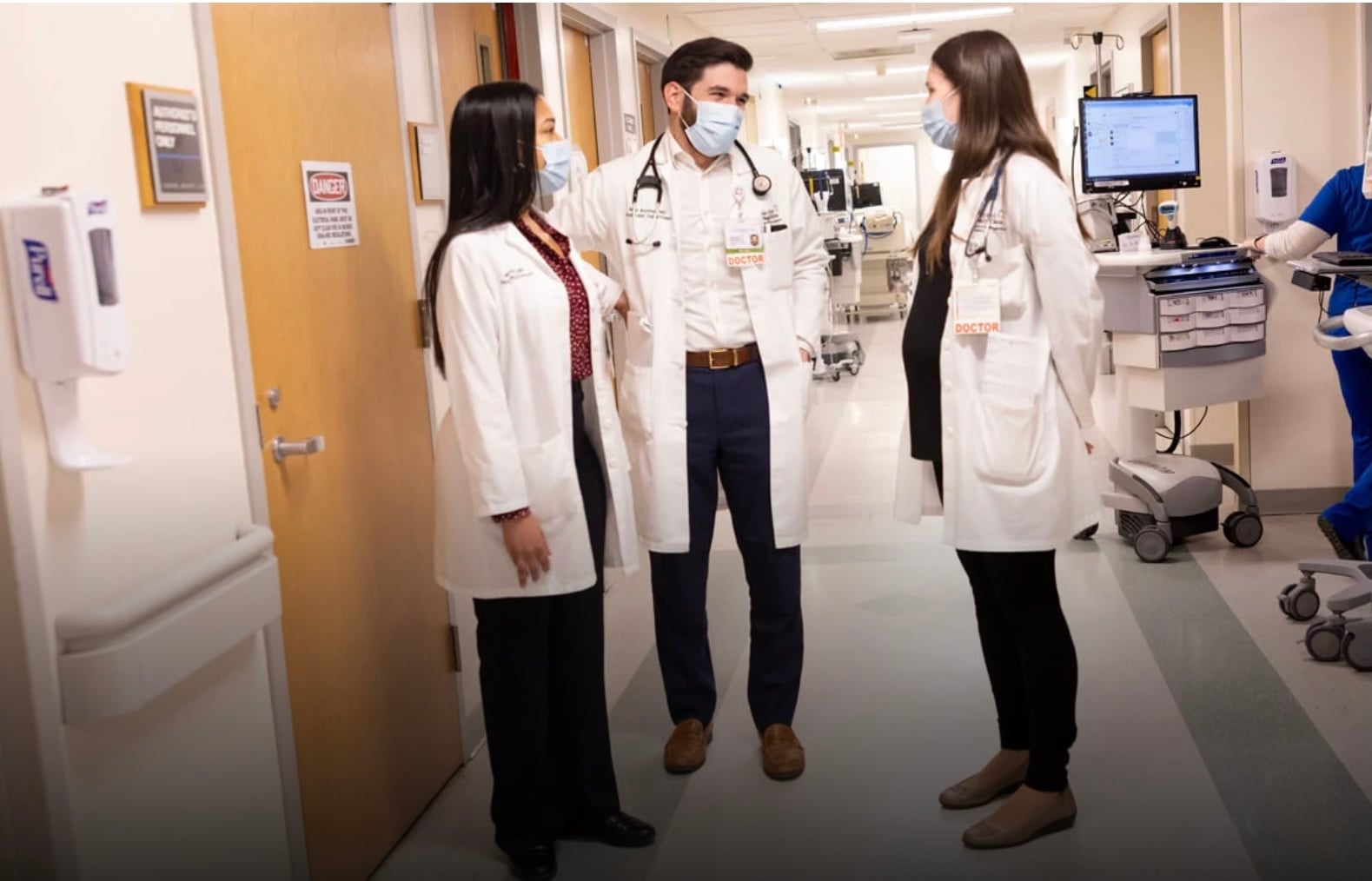
Dr. Deengar has now settled into her new role as a locum hospitalist. She holds privileges at five different hospitals in Ontario. One of the hospitals where she works has begun the shift to electronic record keeping.
“The work environment is truly incredible. Everyone works together as a collaborative team, and that makes caring for patients so much more enjoyable. It’s truly been one of the biggest reasons I’ve loved working in Ontario.”
While she ultimately had a rewarding experience adjusting to Ontario’s health-care system, she recommends studying and training in the province to avoid a challenging transition.
“I probably wouldn't have had such a shock coming in and needing to spend countless hours adjusting to the health-care system,” she reflected.
For those who do pursue the IMG route, she warns the CPSO’s application process, while convenient, can be tedious.
“It would have been so helpful to have guidance while gathering all the required documents for the CPSO application. But now at least I'm able to support my peers who are navigating the same transition back to work in Ontario.”
To entice more doctors to return to Ontario, she suggests the provincial government provide physicians with more monetary incentives to join a practice, or start their own, including in metropolitan areas.
“I think that would be a huge motivator and would drive more doctors to come back and bring value to their community — especially the community where they grew up.”