

Complementary and Integrative Medicine

We advocate and provide resources for physicians who are interested or practice integrative medicine in Ontario

Executive members
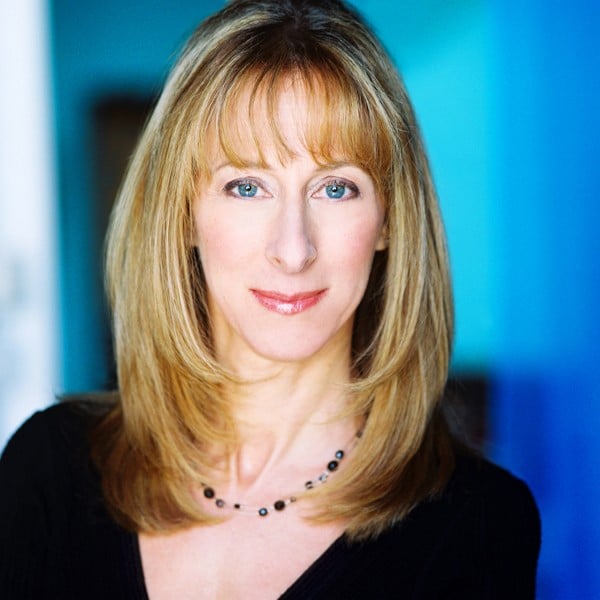
dr-esther-konigsberg .jpg

Dr. Esther Konigsberg, MD, CCFP, chair

As chair, my passion is to forward the visibility and credibility of integrative medicine in Ontario and Canada by advocating recognition of integrative medicine through our two colleges, the CFPC and RCPSC.

I have an integrative medicine consulting practice in Toronto. I graduated from the fellowship program in integrative medicine at the University of Arizona in 2003. I hold an assistant clinical professor position at the University of Arizona in the program in integrative medicine, where I have lectured, contributed to modules and review fellows’ treatment plans.

At McMaster Medical School, I am an assistant clinical professor, as well as McMaster’s representative for the Canadian Academic Consortium on Integrative Health and Education. I am McMaster’s representative for the Academic Consortium for Integrative Medicine and Health and the chair of the Integrative Medicine Fellowship Recognition Committee for the American Board of Integrative Medicine.
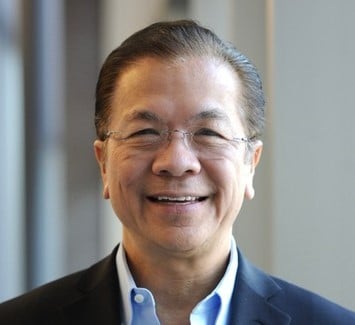
dr-fred-hui.jpgDr. Fred Hui, MD, CCFP, vice-chair

I have practiced integrative medicine for the last 42 years. The integrative modalities I use include acupuncture, orthopedic medicine, joint manipulation therapy, PRP, neurotherapy, prolotherapy, chelation and other intravenous therapies, ozone therapy, bio-identical hormones, Eastern and Western natural supplements and herbs, functional medicine.

I am the past president of the Acupuncture Foundation of Canada. I hold an Advanced Certificate from the American Board of Chelation Therapy. On sabbatical, I studied Chinese medicine and acupuncture at the Beijing Hospital of Chinese Medicine.

I don’t “like" the practice of medicine, I “love” the practice of medicine.
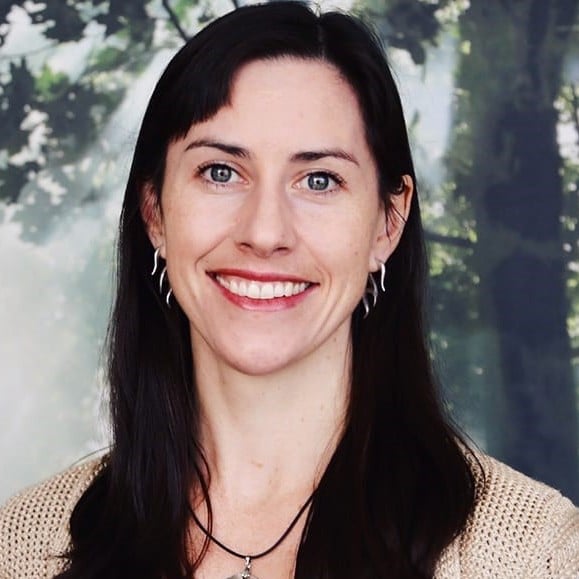
dr-adrienne-junek.jpgDr. Adrienne Junek, MD, CCFP, ABOIM, secretary

Inspired by the illness of a close family member, I grew interested in integrative and functional medicine to better understand the variety of therapies that can be used to restore health. After completing my undergraduate and graduate medical training, I enrolled in Dr. Andrew Weil’s fellowship in integrative medicine at the University of Arizona (graduate 2017) and became board-certified in integrative medicine through the American Board of Physician Specialties in 2018. To further expand my knowledge base, prompted by patient demand, I went on to become a functional medicine certified practitioner (IFMCP, 2021). After several years of working in the emergency room during my integrative medicine training, I retired from shift work to focus on my second passion musculoskeletal medicine. I trained in providing trigger point injections and neurofunctional acupuncture (McMaster contemporary acupuncture), both of which have transformed the way I view the musculoskeletal system and its related injuries.

At present, I work as an integrative and functional medicine consultant and at an interdisciplinary musculoskeletal clinic in Ottawa, Ont. I also teach integrative medicine for the University of Ottawa undergraduate medical curriculum and supervise an interdisciplinary interprofessional elective for fourth-year students. I am passionate about integrative and functional medicine and am pleased to work with the OMA CIM MIG to advocate for the official recognition and certification of integrative medicine physicians.
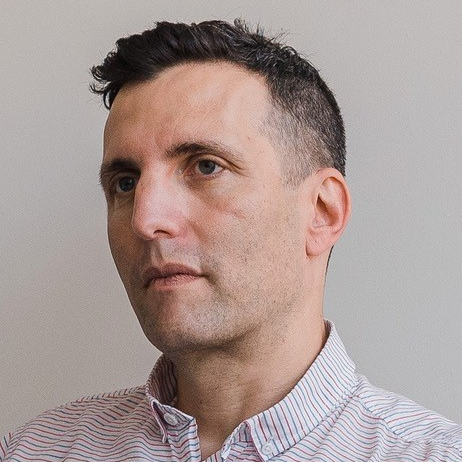
dr-e-jacobson.jpg

Dr. Elliot Jacobson, MD CCFP (EM), ABOIM, treasurer  

Dr. Jacobson completed his Medical Degree at the University of Alberta in 1999, followed by a residency in Family Medicine and Emergency Medicine (CCFP-EM) at McGill in 2002. He is board-certified in integrative medicine through the American Board of Integrative Medicine (ABOIM) and has completed all certification requirements with the Institute of Functional Medicine. In 2010, after almost a decade of emergency medicine practice, he started practicing integrative medicine. Today, he is the medical director and co-founder of Venn Med, where he uses a functional medicine approach to address the root causes of chronic illness.

He is also a certified yoga instructor, who endeavours to bring mindfulness into his daily life and to each patient encounter. At Venn Med, Dr. Jacobson’s passion is collaborating with the rest of his team to improve outcomes for patients suffering from chronic illness while accompanying them on their journey back to health.
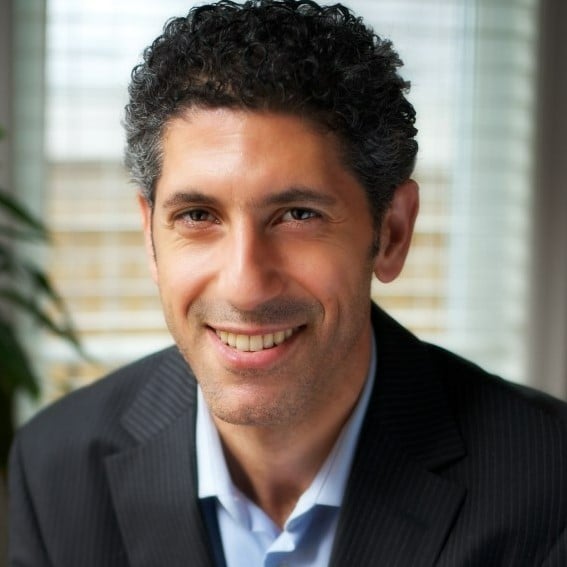
dr-richard-nahas.jpgDr. Richard Nahas, MD CCFP, DCAPM, past chair

I am committed to supporting the shift to more integrative health care. I spent four years as an ER physician, working in remote rural outposts and academic teaching hospitals across Canada. Having an early interest in global health led to medical missions in the Middle East, Africa and Central America. It was during the SARS outbreak of 2003, while treating people with the disease, that I realized the need for more integrative health care.

I then spent two years backpacking in 30 countries, studying the traditional healing systems of the world. I worked with traditional healers from many different traditions and identified important ideas and principles that were missing from modern medicine. With a renewed calling, I returned to Ottawa and established the Seekers Centre.

Since 2006, I have worked to promote evidence-based integrative medicine. I have contributed to curriculum development, peer-reviewed journals and textbooks, national guidelines and multinational clinical trials.  My clinical interests include outcomes-based research using mobile data tools at the point of care, and the targeted treatment of soft tissue scars, sometimes called blockages or interference fields, as important lessons that have been overlooked by medicine.  

Please support our work

Your CIM MIG Executive is focused on advocating for physicians who practice complementary and integrative medicine. We are intent on gaining recognition for our field in Ontario and Canada. We need your support to help us continue our work and to help us create a safe regulatory environment for Ontario’s doctors. We have made significant progress towards this goal, by engaging stakeholders, providing a consistent message about our members’ aspirations and concerns, and drafting submissions that offer real solutions.

How to pay your constituency fee

By paying your $50 constituency fee, you will help ensure that our work can continue. We are working on behalf of Ontario’s doctors, but we need your support.

Visit MyAccount and click on the Pay Dues and Constituency Fees button.


Treating Downstream Disease in Post-Infectious Chronic Fatiguing Illnesses webinar

We are pleased to share the presentation, Treating Downstream Disease in Post-Infectious Chronic Fatiguing Illnesses by Dr. Elliott Jacobson.

Passcode: 5$nqEUpy

Dr. Jacobson is the medical director and co-founder of Venn Med — A multidisciplinary, integrative and functional medicine clinic in Toronto focused on treating complex chronic disease. A former ER physician, he has been practising integrative medicine since 2010. He is board-certified in integrative medicine through the American Board of Integrative Medicine and has completed training through the Institute of Functional Medicine.


Regulatory Landmines in Integrative Medicine

We are pleased to share the presentation, Regulatory Landmines in Integrative Medicine by health lawyer Elyse Sunshine.

Passcode: EC%vk@A6

This session provides an overview of key regulatory risks that integrative medicine physicians should be aware of in daily practice. We’ll highlight common pitfalls in billing practices, informed consent procedures and advertising standards — areas where missteps can lead to professional complaints or disciplinary action. Through real-world examples and practical guidance, this presentation will help clinicians recognize and avoid these landmines while maintaining ethical and compliant care.

Elyse Sunshine is a health and regulatory lawyer who assists health-care professionals, health associations and organizations by providing advice and opinions with respect to regulatory, administrative and civil matters.


Complementary and Integrative Medicine 2023 Annual General Meeting

Hello everyone, and thank you for joining today’s session.

We’ll give it a few moments at the start to allow people time to log in and resolve any technical issues. If you’re having trouble accessing the session, please try registering again using the latest email link — we’ve sent a reminder to help people join.

Now that we’re settled, let’s get started.

My name is Richard Neha, and I’m joining you from Ottawa. I’m a member-at-large on the executive committee, and I’ve had the opportunity to work with this group of physicians for several years. We typically meet monthly on behalf of more than 500 physician members, and it’s been exciting to see the group grow over time.

Today’s session is an opportunity to reconnect, share updates, and hear directly from you. I’d like to begin by inviting our chair, Dr. Esther Koenigsberg, to provide an overview of the group’s work over the past year.

Before we do that, I want to highlight why this group matters. For many of us, this community provides a vital space to share ideas, raise concerns, and collectively work toward solutions that support physicians practising integrative medicine in Ontario and beyond. It gives us a voice and helps ensure that our perspectives are represented.

After Dr. Koenigsberg’s overview, we’ll move into a panel discussion. We’ll address questions that were submitted in advance, and we also encourage you to participate using the Q&A function in Zoom. Feel free to share your questions there — we’ll do our best to address them during the session.

For general comments or discussion, you can use the chat function. We also encourage you to introduce yourself there if you’d like, or connect with others in the group.

Because this is a smaller session, we’ll aim to keep things interactive. Later on, instead of breakout rooms, we may invite participants to briefly introduce themselves and share insights from their practice. This will help us better understand your perspectives and ensure that our work reflects your needs.

I also want to note that today’s session is being recorded and will be made available to other members through our webpage as a resource.

With that, I’ll turn it over to Dr. Koenigsberg. Thank you, Richard.

I’m Dr. Esther Koenigsberg, and it’s a pleasure to be here with you today. I’d like to start by acknowledging Richard for his leadership and contributions — his work has helped sustain and grow this group, and I’m grateful to be building on that foundation.

A bit about me: I’m a family physician by training, now primarily practising integrative medicine in Toronto. Like many of you, I value the opportunity to connect with colleagues who share similar approaches and perspectives.

Since our last full group meeting, there have been several developments worth highlighting.

We now have a dedicated webpage on the OMA site where members can learn more about our work, access meeting minutes, and stay informed. Through OMA Connect, members can also access additional resources, join the group, and connect with one another.

We’ve also built a growing library of shared materials, including intake forms, newsletters, and educational content. These newsletters are typically distributed once or twice a year and include evidence-based articles, updates, and information about relevant events and conferences. We welcome contributions from members — if you have updates or content to share, please reach out.

OMA Connect is another important tool for building community. While it’s currently underutilized, it offers a valuable platform for connecting with peers, sharing knowledge, and collaborating across the province.

From an advocacy perspective, one of the major areas of focus over the past few years has been engagement with the College of Physicians and Surgeons of Ontario on policy related to complementary and integrative medicine. Through the efforts of our members and leadership, we were able to contribute meaningfully to that process and influence the final policy.

Looking ahead, one of our key initiatives is pursuing formal recognition of integrative medicine through an Area of Focused Competence with the Royal College. This is a significant undertaking, involving a detailed application process, collaboration across specialties, and securing national-level support. While there are logistical and financial challenges — including application costs — we see this as an important step toward formal recognition and stronger representation.

Ultimately, our goal is to ensure that physicians practising in this space are supported, recognized, and able to contribute meaningfully to the health-care system.

With that overview, I’d like to open the conversation. Please feel free to share your questions, insights, or experiences — this is a collaborative space, and your input is essential.

Um, and then the other question is, what can and will the, uh, CIG, so the complementary and integrative medicine medical interest group do to prevent, um—I’m gonna paraphrase this—uh, bias, um, from the CPSO, um, in terms of, um, I guess some people who came under inspection, I’m assuming between 2020 and 2023.

And again, what we’re really hoping for is by gaining, uh, recognition, um, through a medical licensing body that, um, hopefully bias will shift. And, um, and also we could then advocate for being better represented at the CPSO in terms of, um, assessors and inspectors as well. So, to continue to grow, um, different people in our field who the CPSO could call on if they are looking at inspecting a practice for whatever reason.

Um, does anybody have any other comments about that, about those two questions?

Okay, so, um, we’re gonna do breakout rooms where we’re gonna ask some probing questions, but my thought is if people are willing to maybe unmute and, you know, if you’re okay about video, if not that’s fine, but perhaps, you know, we’re a small group—if you want to go around and introduce yourselves, where you’re located and what you’re doing, I think that would be great to begin with. And then if we want, we could get into that other discussion.

Does that make sense? Okay.

So I hope you don’t mind if I call on somebody. Mandeep, do you mind introducing yourself to all of us? Would that be okay?

Mm-hmm. So I’m Mandeep Singh. I’m an integrative psychiatrist here in Toronto. Originally did family medicine obstetrics for a year out in the States, switched to psychiatry, then came back here about 12 years ago. Worked in the hospital system—Trillium Health Partners. Did a lot of the first couple years, a lot of ER psychiatry, but a little bit of everything—so inpatient, administration—basically became a bit of a jack of all trades in the hospital system.

So I understand what you and Adrian are going through, dealing with bureaucracies and applications. I slowly shifted out of that in the last 10 years into private practice, multidisciplinary clinics, was a director for a holistic clinic. I generally, in the last 25–30 years, always wanted to just do the holistic approach.

Then five or six years ago, incorporated medical cannabis—still doing that. Then kind of formalized the integrative part and did a fellowship in that a couple years back. And just finished up a year-long course in ketamine-assisted psychotherapy and psychedelics—ketamine, MDMA and psilocybin.

So I still have my own private integrative practice. Basically what I’m here for is trying to build this network. It’s been really helpful already hearing these answers. I’m obviously not an expert in all the integrative stuff, and I’m continuing with cannabis and psychedelics, but I’m really trying to build connections.

I’ve been spending the last six months to a year just getting into different groups so when my patients come to me, I know where to send them. There’s only a limited amount of time I can do the really detailed integrative work, but at least I can speak the language.

So I do have an informal group—I work with reiki masters, acupuncturists, therapists—just trying to get to know people. The cannabis consult often becomes the entry point, but then I can integrate other approaches.

Now patients ask me, “Do you know anyone?” and I only refer if I really have a sense of things. I have patients all over Ontario—veterans across the country as well. So if anyone’s taking patients, I’ll definitely refer. I also try to help out with psychiatric consults—that’s my giveback.

And hopefully this informal network becomes more formal. In my own practice I do ADHD and sports psychiatry.

Thank you. Any volunteers for who would like to go next?

Raji?

So I already said a little bit about myself. I trained as a surgeon. I worked in Cornwall, Ontario for many years as a general surgeon. And all along I had an interest in palliative care.

When I got the chance, I followed the local palliative care physician—there was only one—and the hospice had been built here. So I followed her around and, with her advice, would take care of my own patients.

Eventually, after so many years, your body starts to protest all the surgery you’re doing, so I decided to switch completely to palliative care. So now I do community palliative care, and we are five palliative care physicians in this area.

I was already planning to do this master’s in yoga course, and then the pandemic hit—which, despite all the sadness, did a lot of good in many ways for a lot of people. There was a new university that came up in Los Angeles called the California Yoga University, and they had started a master’s course. I graduated—I’m in the first batch.

The master’s was in yoga therapy. I did a specialization in the philosophy of yoga—reading the ancient texts and understanding what they really say, which helped bust a lot of myths around yoga.

I don’t promote myself. I just offer to teach yoga to anyone who asks. I’m busy enough doing what I do now. But there’s so much misunderstanding about yoga—many think it’s religious or strange behaviour.

I’m very interested in helping people understand what it really is—that it’s not religious, it’s a way of life. So I was very happy to see this group and be part of it.

Thank you. Any volunteers for who would like to go next?

Kate, are you okay to introduce yourself?

Alright, so my name’s Kate Plaza. I’m an internist and I also do medical disorders in pregnancy. I work at Oakville.

Currently I don’t really do integrative medicine—it’s just something I’ve been hearing more about. When it came up on the OMA’s website as an interest group, I thought, let’s learn about this.

I have patients where we run every test—everything comes back normal—but they’re still suffering. Then they go seek integrative care, often in the U.S. So over the last year I’ve started researching the field more.

I just want to learn more—see what it has to offer, understand any training or courses available. It’s more of a curiosity right now.

Wonderful.

From what we understand, if a fellowship in Canada opens up, it may include internists. That could be an opportunity in the next few years. Many of us did functional medicine training or University of Arizona training, which is mostly distance-based.

You’re welcome to reach out to any of us for more information.

Yeah, for sure. I was looking it up as you were talking. The Arizona one is all online, so easier to do. It’s two years—will the Canadian one be similar?

We think it will be two years, but likely in person.

Nadira, are you okay to chat with us?

Yeah, sure. I’m Nadira. I’m a family doctor in Toronto. I joined this interest group this year.

I’m here to learn more about how you all practice. I’ve been in practice about 15 years and plan to continue. I think I already incorporate elements of integrative medicine—every visit we talk about lifestyle, exercise, diet, stress, sleep.

I’m not doing full assessments, but these ideas naturally come up. I think it’ll be interesting to see how this population ages and how these concepts impact long-term health.

I’m just here to learn and really thankful for all the work you’re doing.

Thank you. Robert?

I’m in London, Ontario. My background is in acupuncture, herbal medicine, homeopathy, ozone therapies, functional medicine and neural therapy—so a mix.

Before all this, I was in the air force, as a flight surgeon and diving medical officer.

It’s really hard work putting together a fellowship application given how diverse we all are—internists, surgeons, family doctors. But I think that’s also our strength.

We’re trying to solve problems, not just treat symptoms. That’s what sets us apart—our desire to help the person, not just the condition.

But we’re also trying to fit into existing systems—round peg in a square hole—and that’s challenging.

That’s all I’ll say.

Thank you. Um, Robert,

I’m in London, Ontario, and my background is in acupuncture and herbal medicine and homeopathy and ozone therapies and functional medicine and neural therapy. So there’s a number of different things I do. It’s good to see familiar faces and it’s good to see new faces.

Before all this, I was in the Air Force. I was a flight surgeon and a diving medical officer. So Remembrance Day was an important day for me to be there to remember those people that have given us our freedoms.

It’s really hard work to do a fellowship application like you’re doing because you hear how diverse our backgrounds are. We’re internists, we’re surgeons, we’re family doctors, and we have a whole bunch of different backgrounds. And I appreciate how difficult that work is.

It’s really going against the grain, because what we’re looking for is trying to solve people’s problems rather than just to give them something to cure a symptom. And I think that’s what sets us apart—our desire to help the person and to do whatever we can think of doing to help that person.

At the same time, we have to try to fit into systems—we’re a round peg fitting into a square hole—because we try to contort ourselves into all these rules and regulations we have to follow to be consistent with what our colleagues think is proper medicine. And that makes it difficult.

Yeah, that’s all I have to say. Thanks.

Thanks so much.

And you led the charge too. We had that group—I think it’s gone now—but you’ve done a lot of work in integrative medicine in Ontario and Canada. So thanks for everything you’ve done.

Thanks, Esther. And thank you, Robert. You used to head a group—we had an Ontario group, and it was difficult to carry on financially and with all the challenges.

What was the name of the group at that time?

I can’t remember. The OMA used to have a section on this, and then it became a medical interest group. I would encourage you to make it a section again, because when it becomes a section, my understanding is that you get more financial support from the OMA.

We were told by the OMA that we couldn’t become a section unless we were recognized. And I’m not even sure if getting area of focused competence would be enough, since they’re looking more at specialties and subspecialties. So that’s still to be determined. But we did try, especially since we have well over 500 members.

Can I point everyone to something in the chat? I shared an analogy I use in teaching integrative medicine.

It’s the story of the six blind people and the elephant. Each person feels a different part—the leg, ear, trunk, tusk—and each concludes something different. They’re all experiencing the same thing, but only one part of it.

That’s similar to medicine. Some of us come to realize we’ve only learned one piece of how to understand the human body. Integrative medicine is about bringing together those different perspectives to understand the whole.

Thank you. Let’s say “person” instead of “men.” How’s that?

Walla, would you like to introduce yourself?

Sure. Thank you. My name is Sue. I’m a family physician in Oakville, and I’ve been practicing since 2016.

I naturally lean toward integrative medicine principles. I’m lucky to have a practice model that allows me to spend more time, so I go into detail about diet, nutrition, environment, stress—how it all connects to patient concerns.

Since the beginning of this year, I’ve been taking some courses and lectures in integrative medicine, and I’m hoping to learn more about integrative pediatrics and special needs children.

Thank you so much for answering my questions—I’ve taken away a lot from today.

Thanks so much.

Roger, would you like to introduce yourself?

Sure. I’m an oddball—I’m 84 and still functional.

I was attacked by the college about 10 years ago. I had a random assessment that was excellent, and then a year later, they did another assessment.

The issue was that I wasn’t doing what they considered standard tests—I was using clinical judgment. The lawyer involved didn’t understand the difference between standard practice and standard of care.

During that time, the college magazine was publishing articles about the cascade of unnecessary tests that cost money and produce incorrect results. But that didn’t seem to matter.

Long story short, they shut down my practice. I lost my practice, my house—everything. My wife died during that process. It was effectively a death penalty.

Now I’m living in a small basement apartment. But I’m religious, so I accept things as they come.

I’m still interested in medicine and the philosophy around it. I wish you all luck.

The question I had was whether other provinces have similar groups advocating in this space.

In Nova Scotia, there is a similar group, but it’s small and inactive at the moment.

Also, some of us are from Quebec, where the regulatory environment is less welcoming to integrative approaches. That was one of the reasons some of us moved.

Integrative medicine is not for the faint of heart. Many of us are passionate about helping patients, and stories like yours are unfortunately not uncommon.

Thank you for sharing that.

Barbara, would you like to introduce yourself?

I’m sorry I’m late. It’s been really nice to meet everyone.

I’m in Ottawa. I started in natural medicine over 30 years ago and later trained in orthomolecular medicine. I did family practice with hospital privileges for 26 years, then switched to focused GP psychotherapy, working with patients with chronic illnesses and autoimmune disease.

I work part-time now, and I have a peer assessment coming up. It’s increasingly difficult to find peer assessors in Ontario.

I also contributed to a book on people’s rights to integrative medicine.

Thank you.

Thanks so much.

We have a couple of questions for the group. First: what suggestions do you have for how the medical interest group can help?

Nadira?

I’m part of a primary care solo group—about 80 doctors—and we use a WhatsApp group. It’s phenomenal. You can ask questions about billing, referrals, anything.

It creates connection—you’re not really practicing solo anymore. I think something like that could be really helpful for this group as well. It allows for honest discussion, and there’s a level of confidentiality.

It also helps mobilize people quickly—for example, sharing voting opportunities or updates.

That’s a great idea.

The interesting thing is that some people will be active and others won’t—it’s normal. You can also create subgroups for specific interests.

I like it better than OMA Connect, because I don’t want my posts to be public forever. WhatsApp feels more private.

We could promote it through OMA Connect or email.

It’s also important to have a consent process—confidentiality, verifying membership, etc.

Fred:

For anyone new to integrative medicine, I offer mentorship. You can shadow me for a day. I want to show you the excitement of this kind of practice—solving problems others couldn’t solve. My email is drfredhui@gmail.com.

That’s very generous.

Final question: how can we move integrative medicine forward?

Mandeep:

I think the biggest issue is siloing. We need to connect more—with each other and across disciplines. Even informal connections help.

I talk to different practitioners—reiki, therapists, yoga instructors—and they’re surprised a physician is interested in their work.

We need to build bridges, create more awareness, and perhaps do small talks at clinics. Social media could help, but it’s complicated given regulations.

Ultimately, as societal interest grows, that’s what will drive change.

Yes, the CPSO has issued policies on social media, and it can be tricky. It’s important to maintain professionalism and be mindful of how we communicate publicly.

It can help to think of speaking as if the college is the audience.

I think that’s why a private network like WhatsApp is useful—more candid discussion.

Any final comments?

I just want to thank everyone for taking time on a Saturday. It’s been nourishing to connect.

We’re all working toward improving healthcare. I respect all of you and will do what I can to support this work.

Thank you.

Thank you everyone.

Bye-bye. Take care.

Adrian, can you stay on for a sec?

Just curious—how do I match phone numbers to names in the WhatsApp group?

You may need to click into contacts. I’ve only added a couple of people so far. All exec members are admins.

Great, thanks so much.

Thanks everyone—enjoy your weekend.