How Toronto pediatrician Dr. Ryan Giroux is improving access to culturally safe care for Indigenous children and families in Ontario
There aren’t many pediatricians in Ontario who work almost exclusively with Indigenous families.
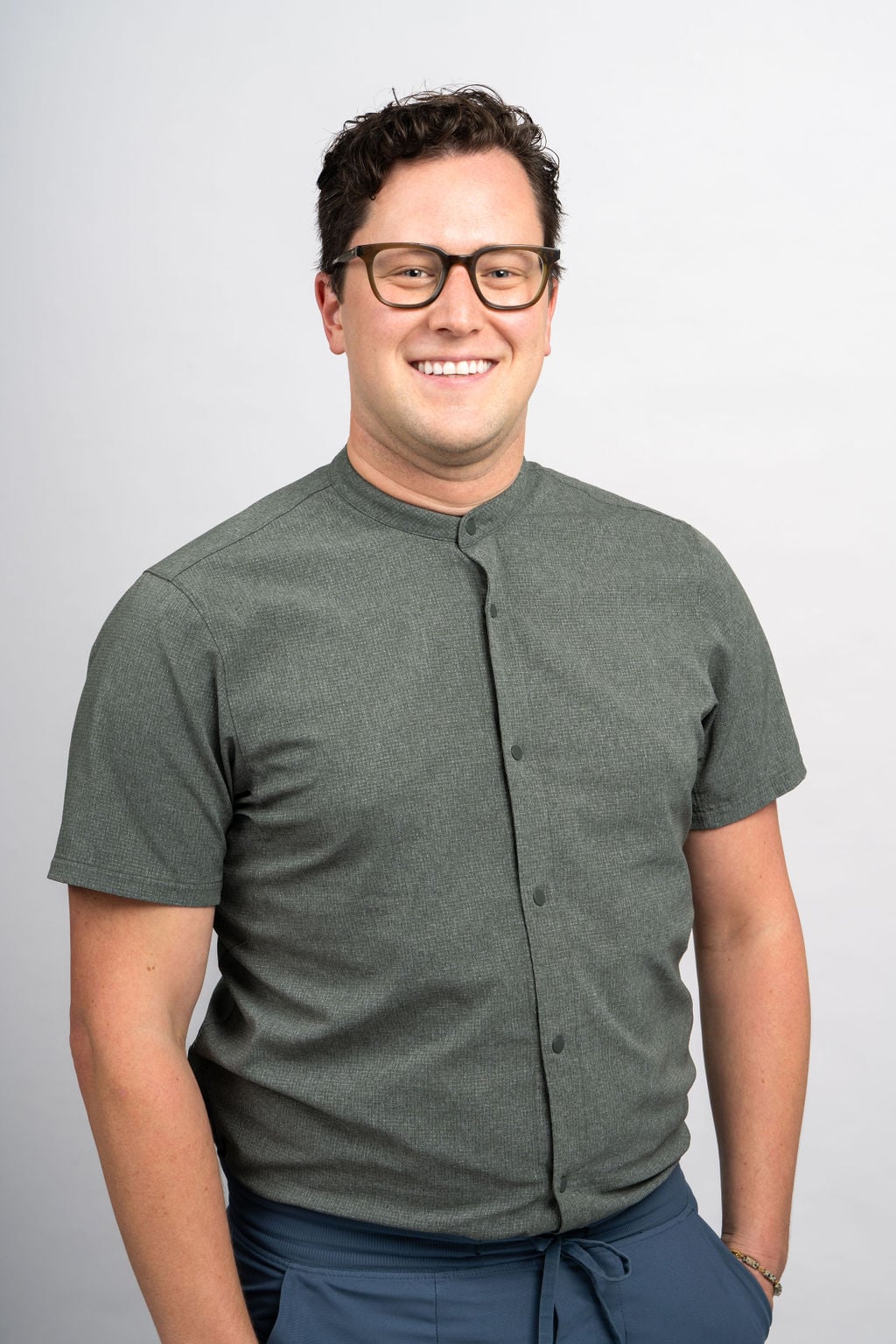
Dr. Ryan Giroux, a pediatrician at St. Michael’s Hospital, part of the Unity Health Toronto hospital network, and a member of the Métis Nation of Alberta, is working to change that.
As a staff pediatrician at Inner City Health Associates in Toronto, he works with the Call Auntie clinic and the Ode’I Min clinics, supporting Indigenous families. They’re among the first Indigenous child health clinics in the city.
He also leads the St. Michael’s-affiliated Compass Clinic, which focuses on providing care for refugee and newcomer children with medical complexity in the Greater Toronto Area.
In those roles, he feels lucky that he can share pieces of his heritage with patients and deliver culturally safe care.
“I can comfortably ask about who they are, what practices they take part in — traditional medicines, for example — or their connection to the Indigenous community,” he says.
Dr. Giroux says medicine can sometimes be “deficit-focused,” emphasizing concerns and challenges over strengths and opportunities.
“I see families who have been dealt a difficult set of cards,” he says. “Despite all that, they’re doing everything they can to make their children's lives better and end the process of intergenerational trauma.”
Dr. Giroux allows self-referrals for his Indigenous-focused clinics – uncommon in pediatrics. This helps families avoid having to find a referring family physician, a significant issue given Ontario’s shortage of family doctors.
Wraparound support is also crucial to lowering barriers to care, he says. For example, the Call Auntie Clinic’s multidisciplinary team offers help getting to appointments, parenting supports and other non-clinical aid.
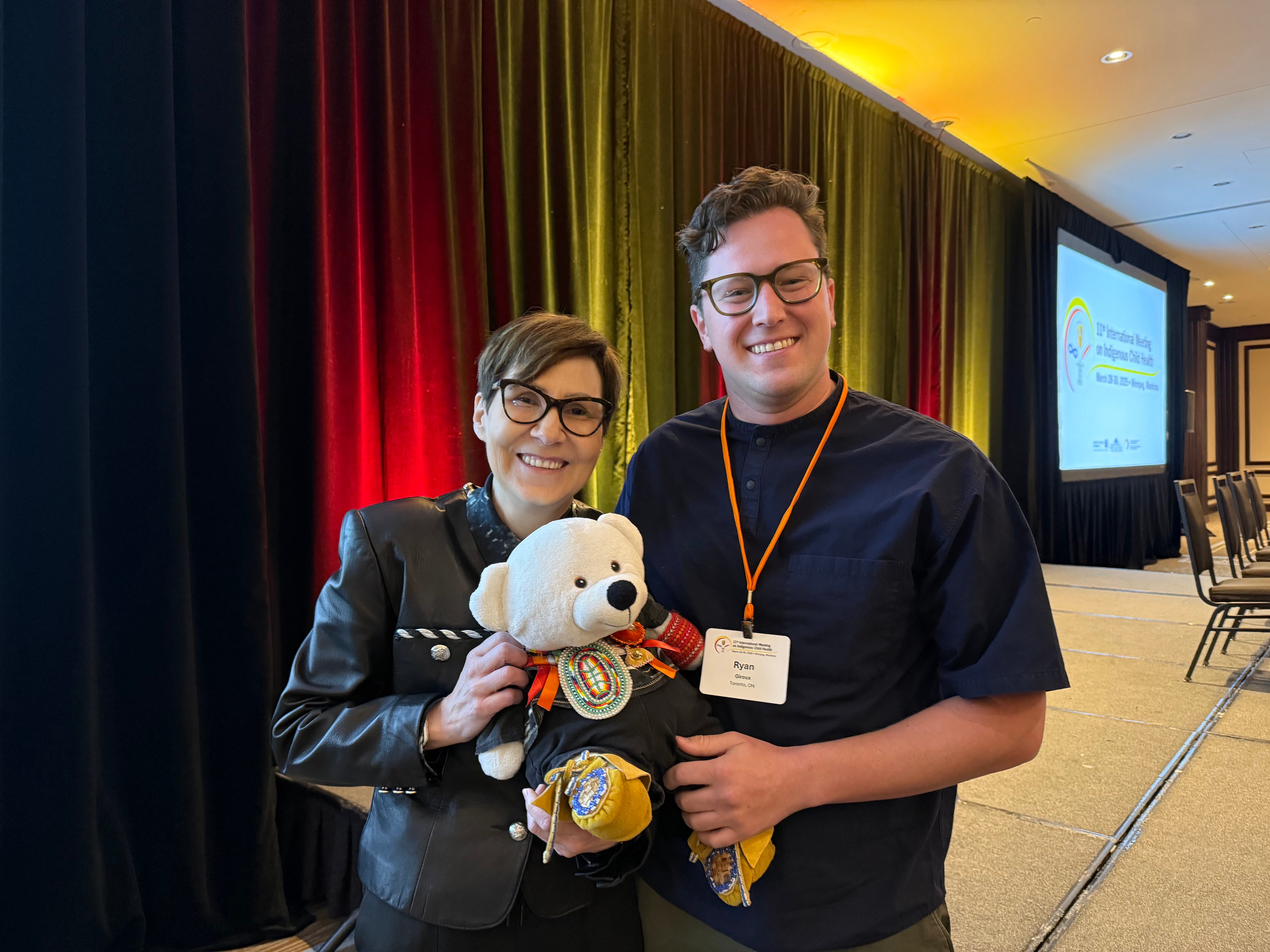
“When we start to see where systems are not working, we could either keep banging our heads against the wall and lament, or we can look upstream to figure out where things are falling apart.” – Toronto pediatrician Dr. Ryan Giroux
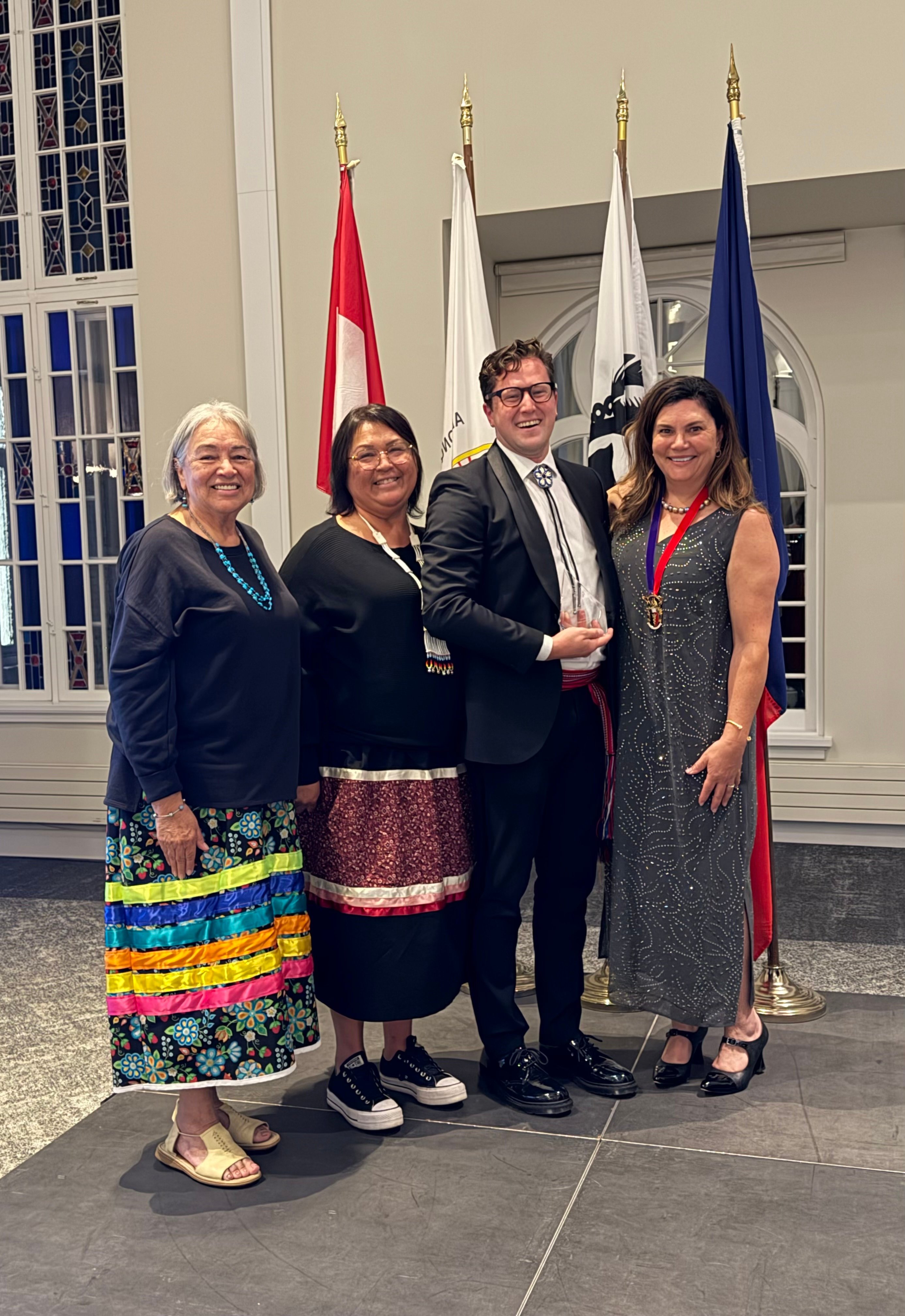
Dr. Giroux also focuses on systems change, including advocacy for Jordan’s Principle, which seeks to ensure First Nations children have equitable access to government-funded health, social and educational services.
“When we start to see where systems are not working, we could either keep banging our heads against the wall and lament, or we can look upstream to figure out where things are falling apart,” says Dr. Giroux, who is co-chair of the First Nations, Inuit and Métis Health Committee at the Canadian Paediatric Society.
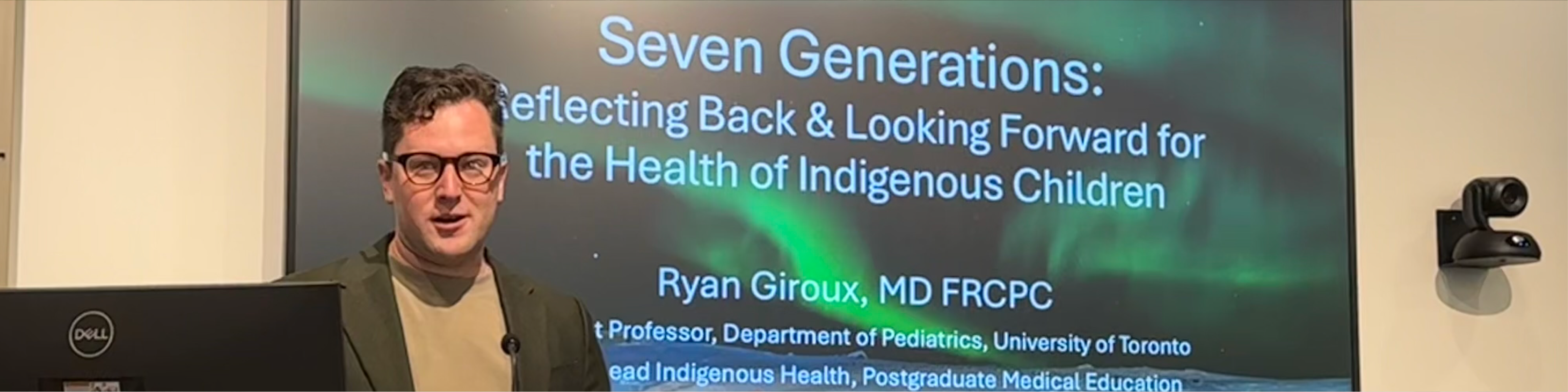
In teaching roles at the Royal College of Physicians and Surgeons of Canada and University of Toronto’s Temerty Faculty of Medicine, he also uses accreditation and curriculum reform to advance culturally safe, anti-racist postgraduate medical education and better prepare residents to care for Indigenous patients.
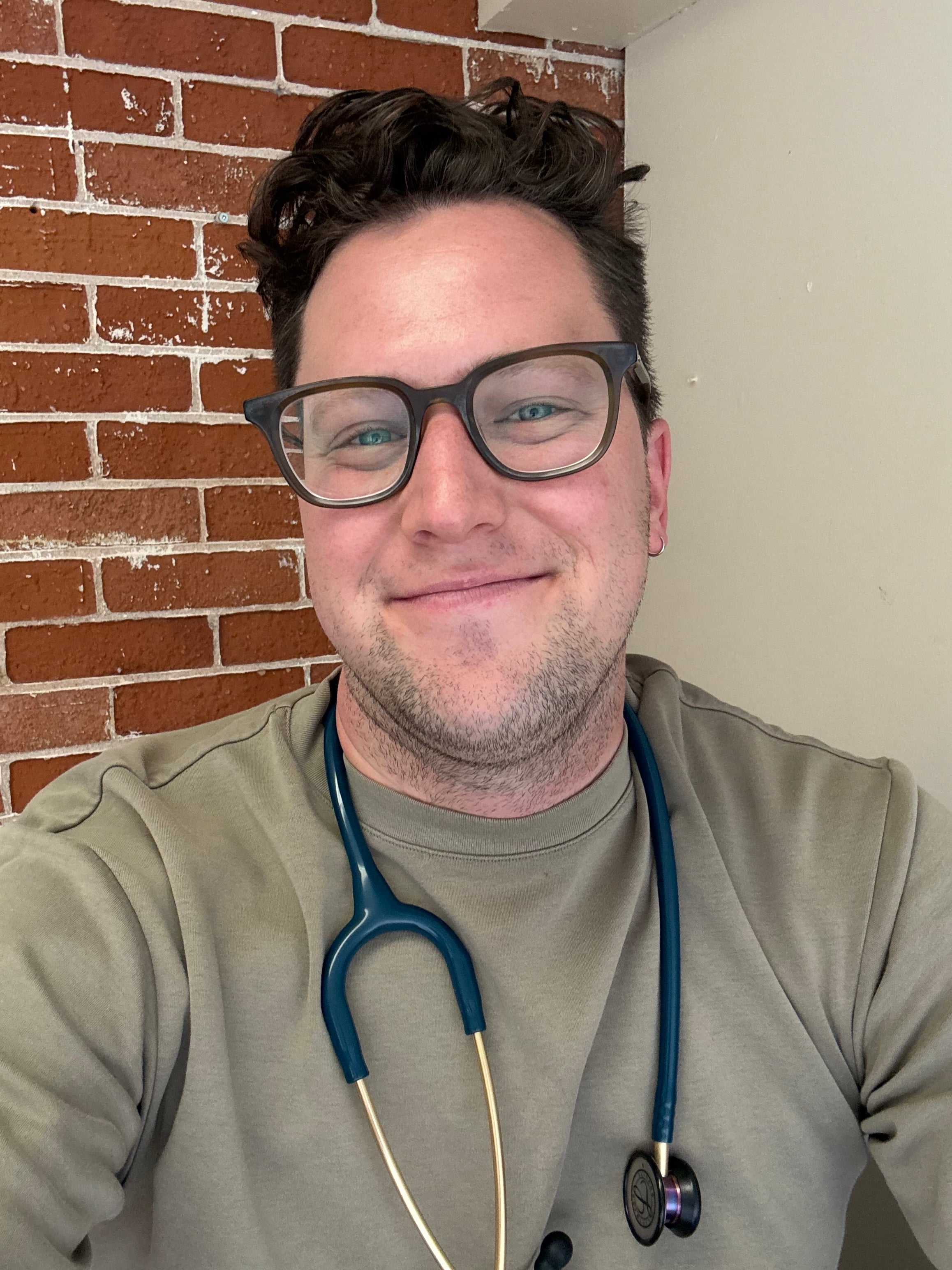 Dr. Giroux has a core message for physicians, especially those who aren’t Indigenous: Cultural safety is defined by the patient.
Modelling inclusive behaviour is important. He says patients who return, use more services or share positive feedback often signal they feel safe in his care.
Fear of getting it wrong can also prevent progress, he says. Humility can help physicians learn from mistakes.
“You can apologize, you can recognize what you did. Then take those teachings into your bundle and apply them to the next Indigenous patient or family you see,” he says.
For Dr. Giroux, National Indigenous History Month is a time to reflect on the Truth and Reconciliation Commission’s 94 Calls to Action, which were released in 2015. He sees promising signs in health care, especially as more Indigenous pediatricians enter medical practice.
“I want to see a closing of the gaps of health outcomes between Indigenous and non-Indigenous people,” he says. “They are getting better in some senses, but there’s still a lot of work to do.”