
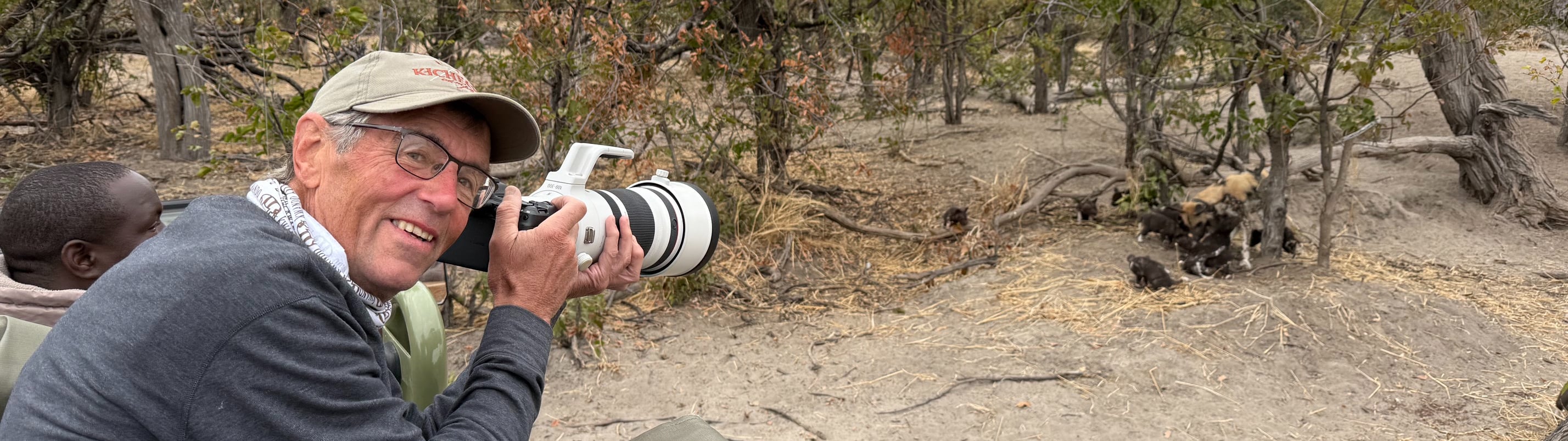
Award-winning photographer Dr. Don Gutoski travels the world to capture striking scenes
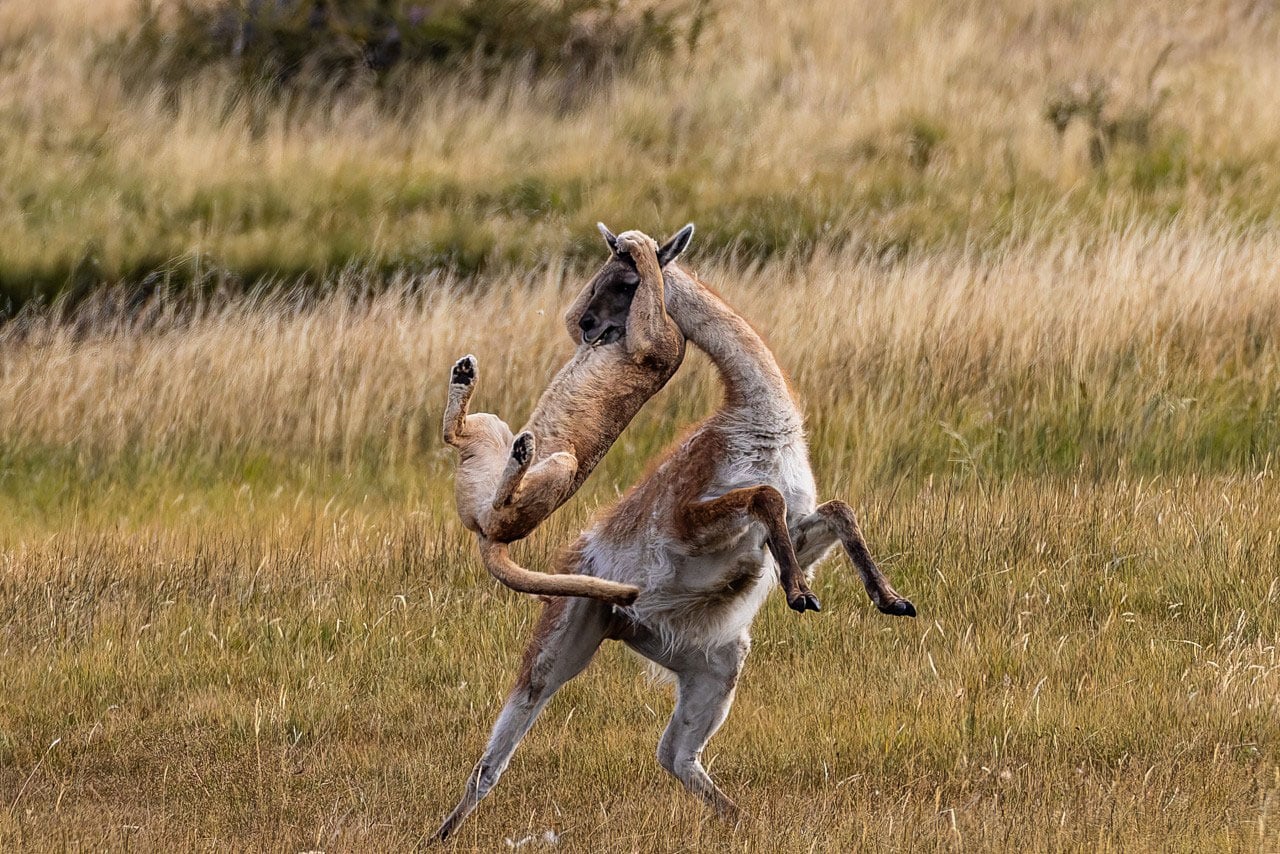
Content Warning: This story contains an image some readers may find disturbing.
On wildlife excursions, rare animal encounters can happen at any time and may last for only a few seconds. Dr. Don Gutoski has learned to be ready at any moment with his camera.
The award-winning wildlife photographer easily takes more than 5,000 pictures a day during his travels, spending hours patiently waiting and hoping for that one exceptional shot.
Now retired from medicine, Dr. Gutoski credits that adaptability for keeping him agile in the field — and throughout his nearly 40-year career in the hectic and often unpredictable world of emergency medicine.
“Never get complacent with the things you're seeing,” he told the OMA about what he’s learned along the way. “Always be prepared for the unexpected.”
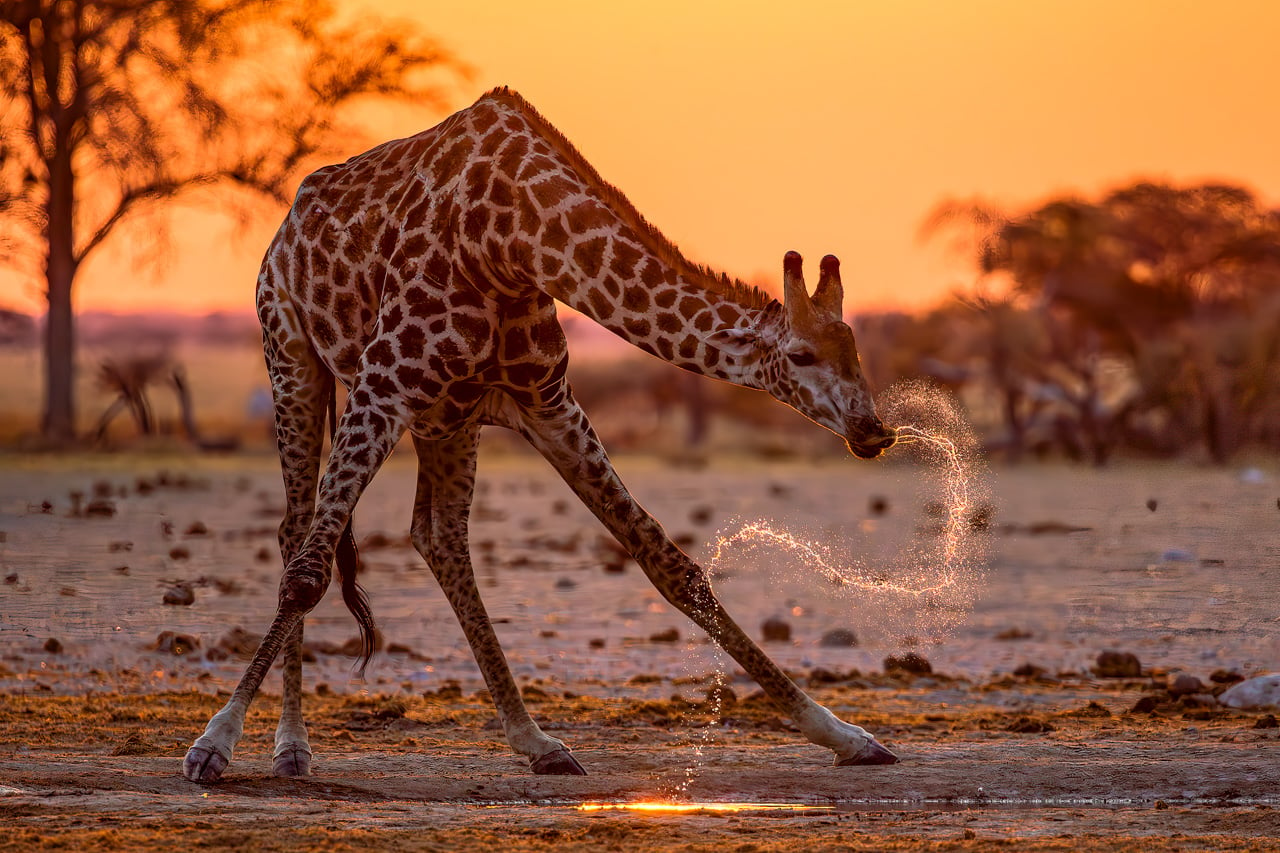
Dr. Gutoski’s passion for wildlife photography began when he took a photography class in high school.
He kept teaching himself photo skills even while he pursued a career in medicine. He became an emergency doctor in London, Ont., and worked full-time at the same Emergency Department until he retired six years ago.
Throughout his career, Dr. Gutoski always made time for his passion, booking his wildlife excursions around his work schedule and working extra shifts before and after his trips.
Now 72, he’s taken dozens of photo trips, all over the world.
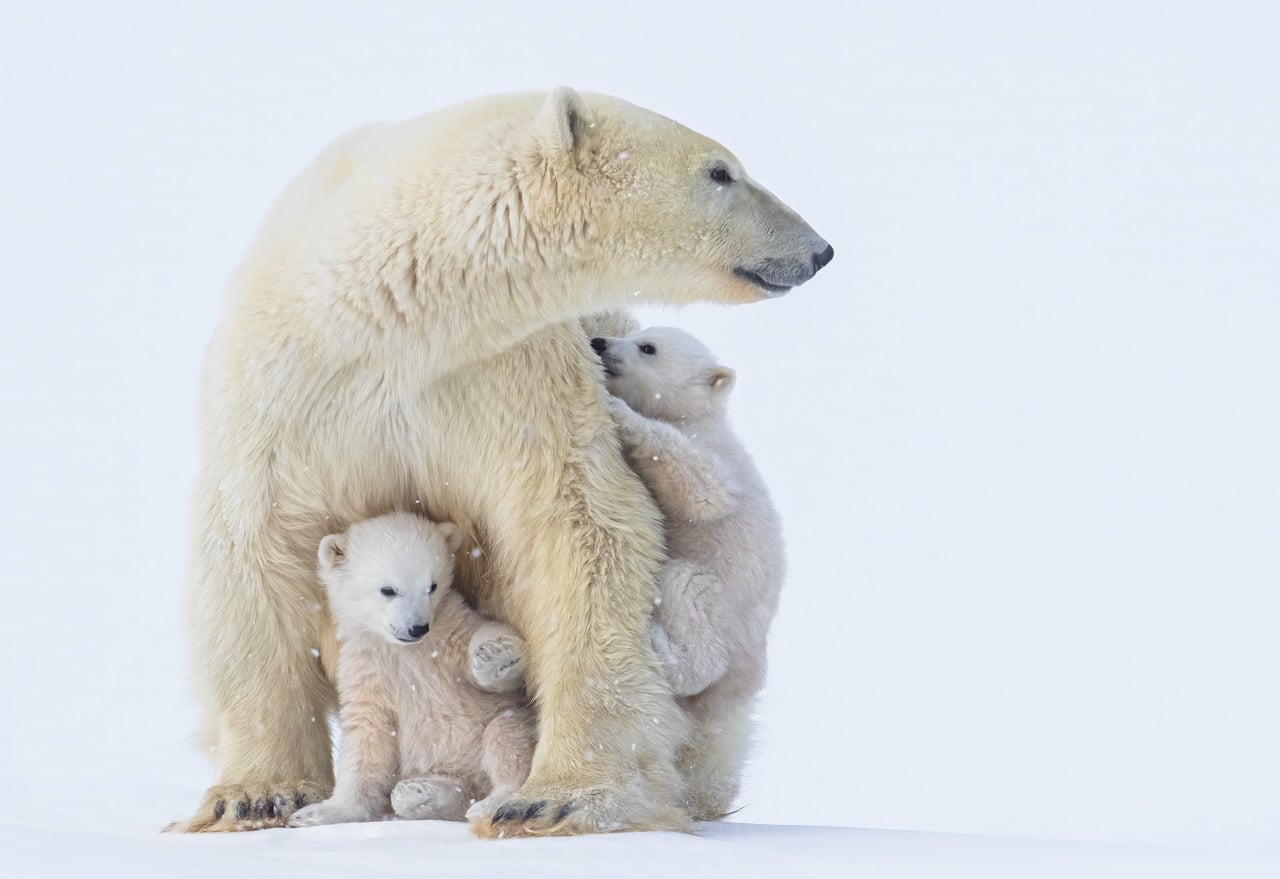
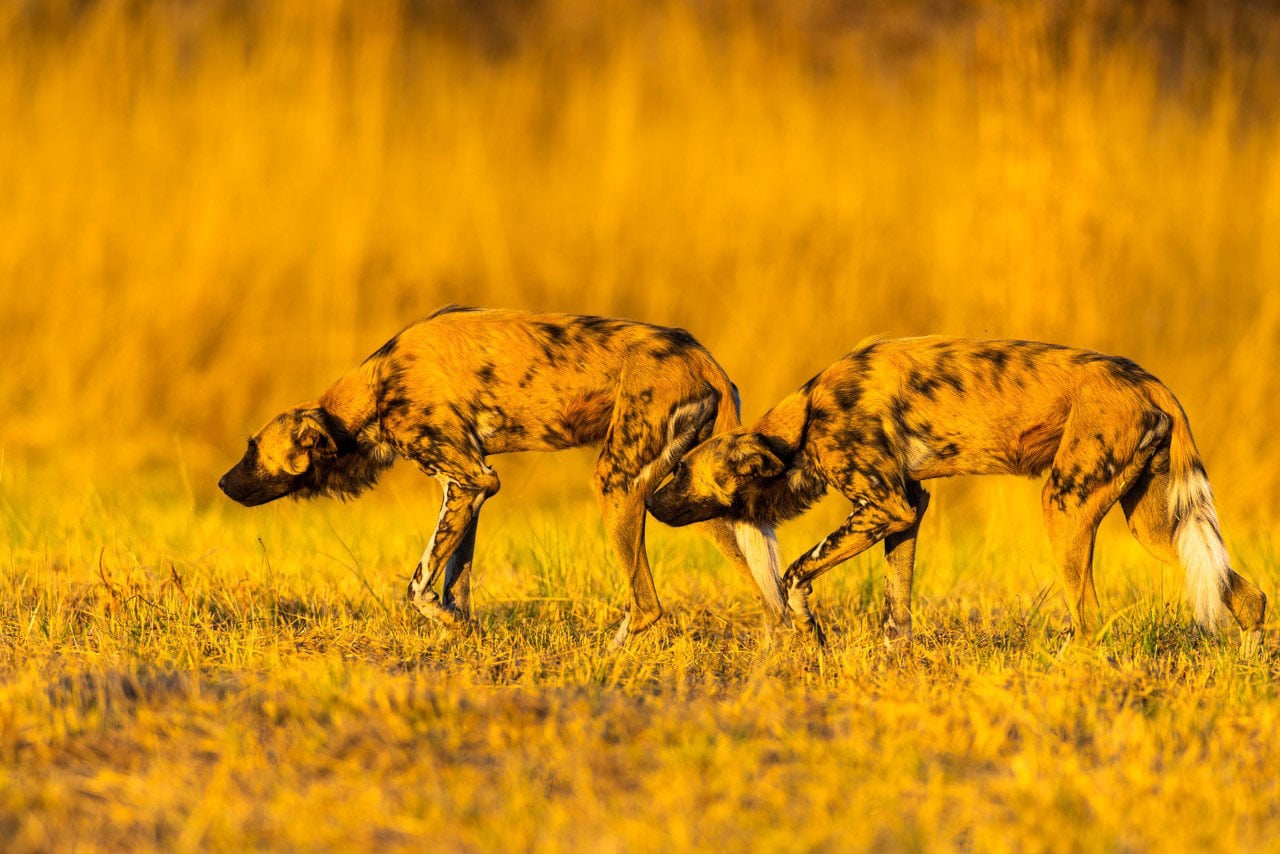
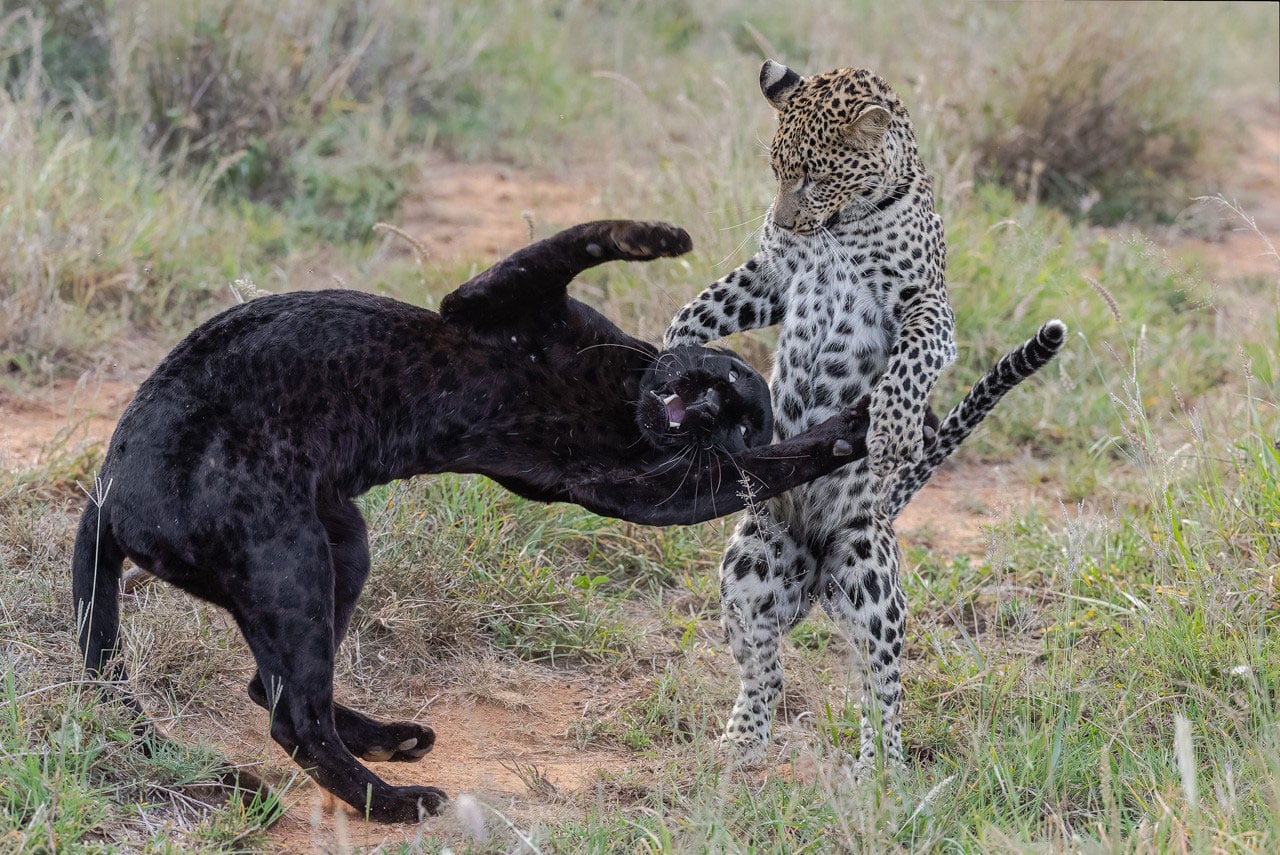
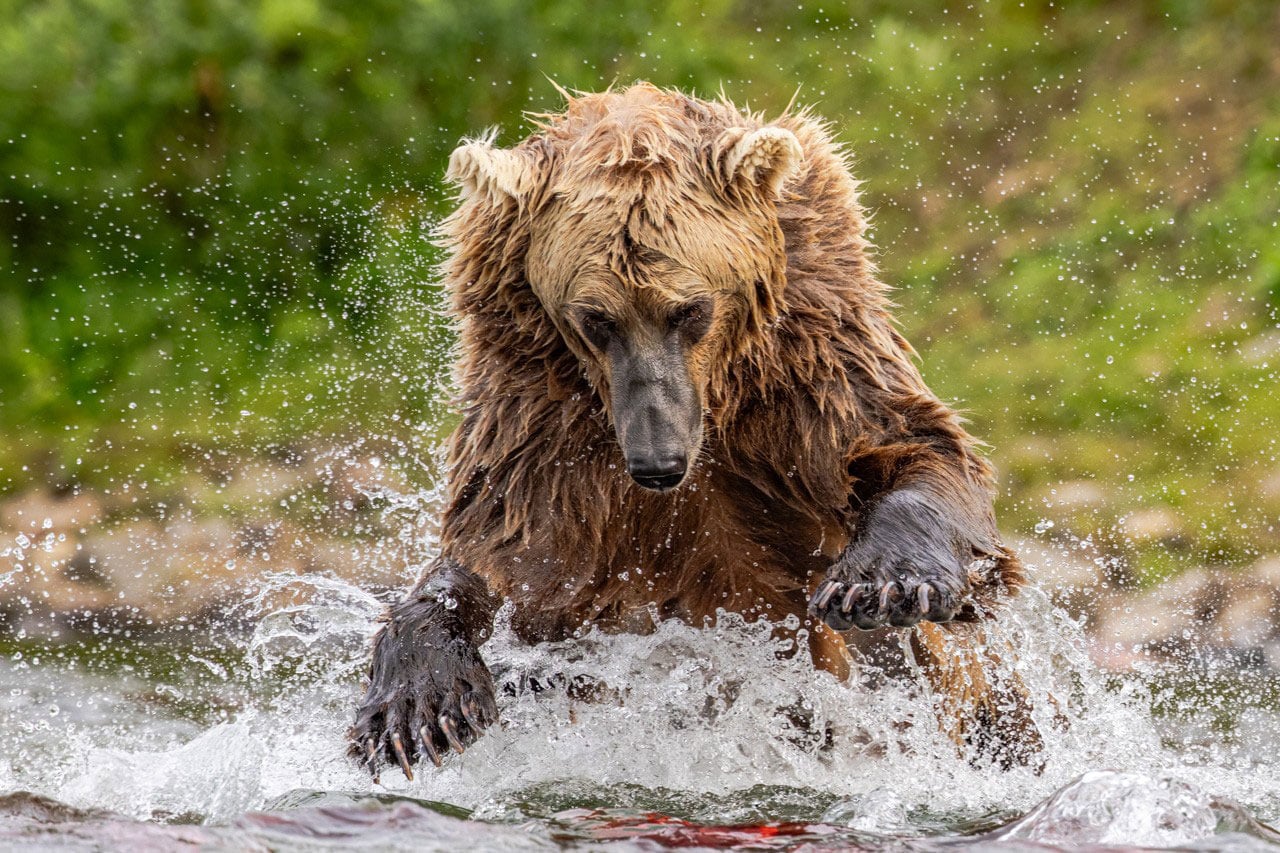
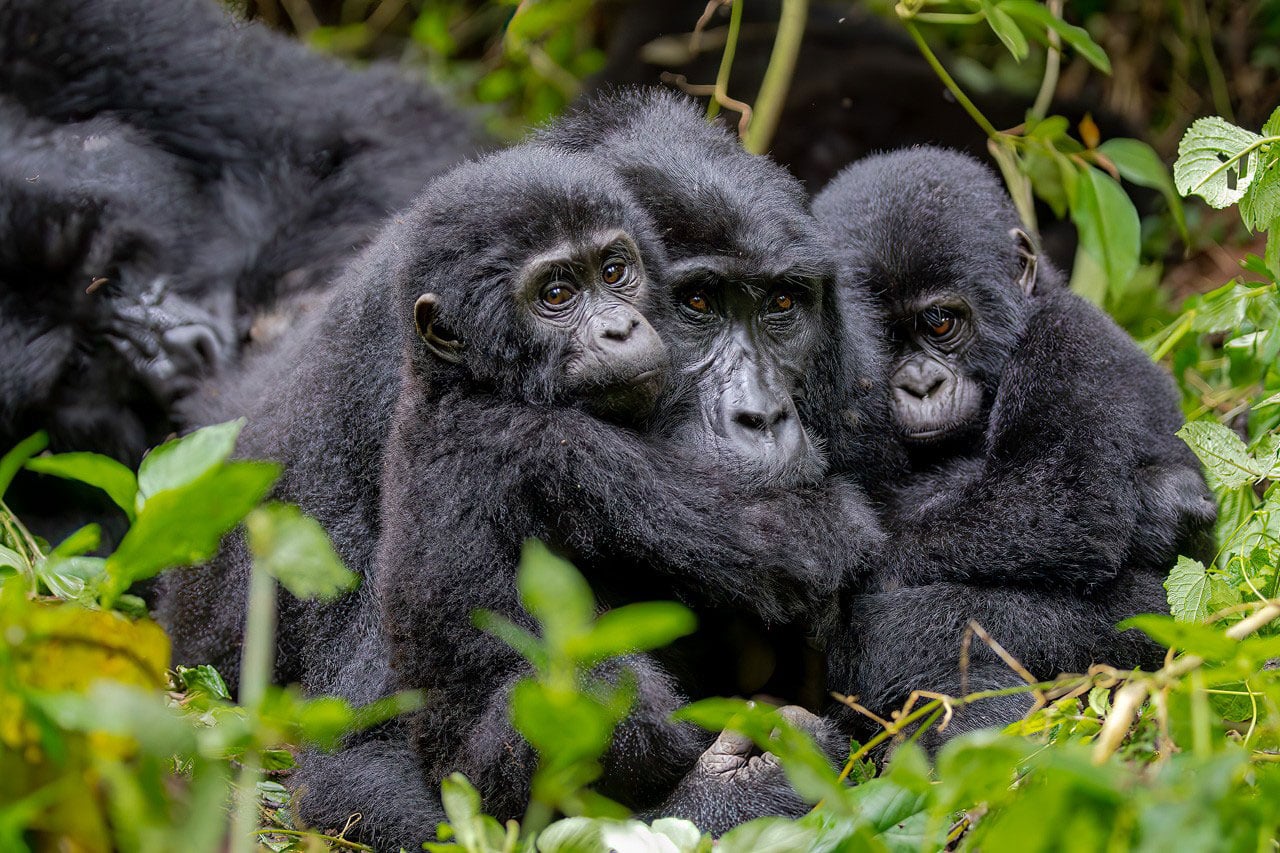
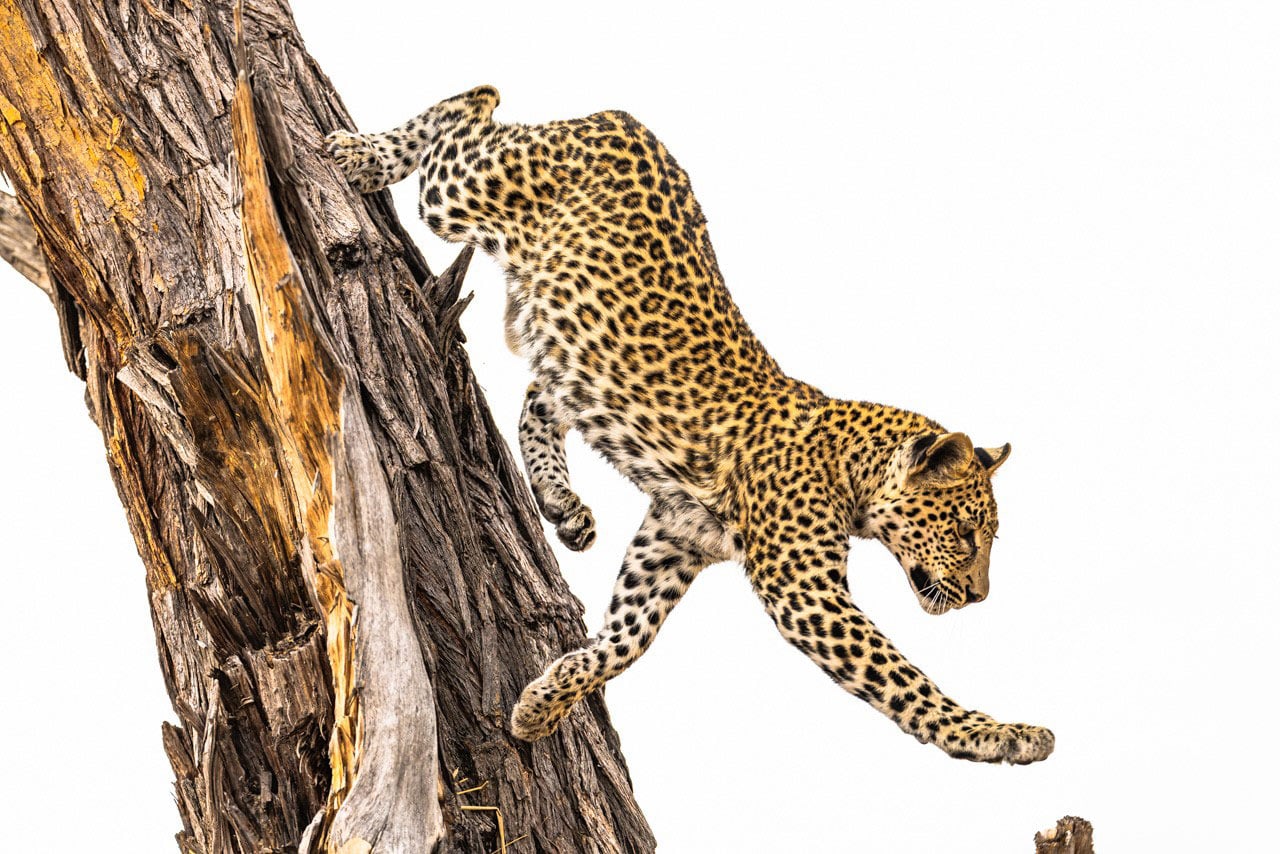
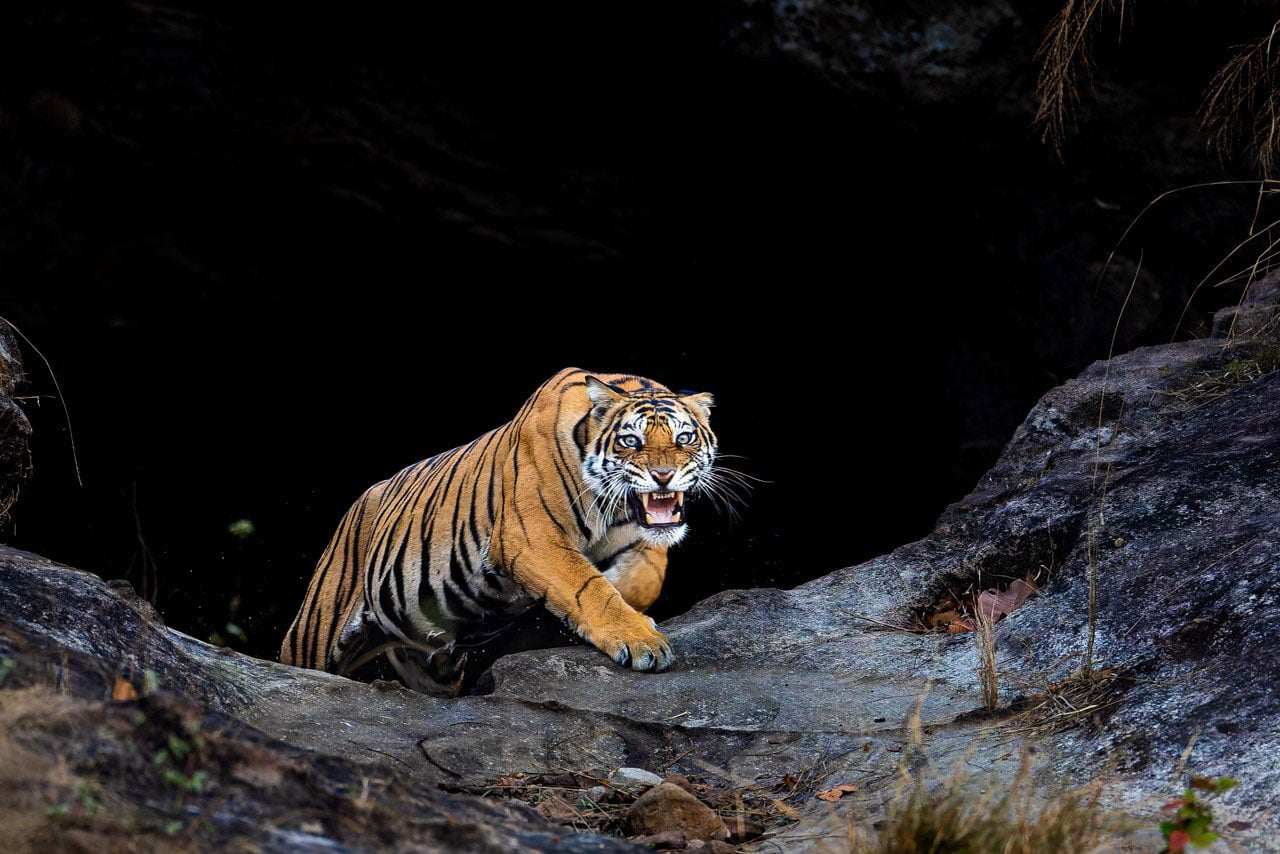
Dr. Gutoski said he enjoys photographing large predators, particularly in Kenya, Tanzania and Botswana. Polar bears (especially moms with their cubs), gorillas and wild dogs are among his favourite subjects.
These animals can be ferocious, yet Dr. Gutoski jokes that the most dangerous part of his trips “is getting to the airport from my home.
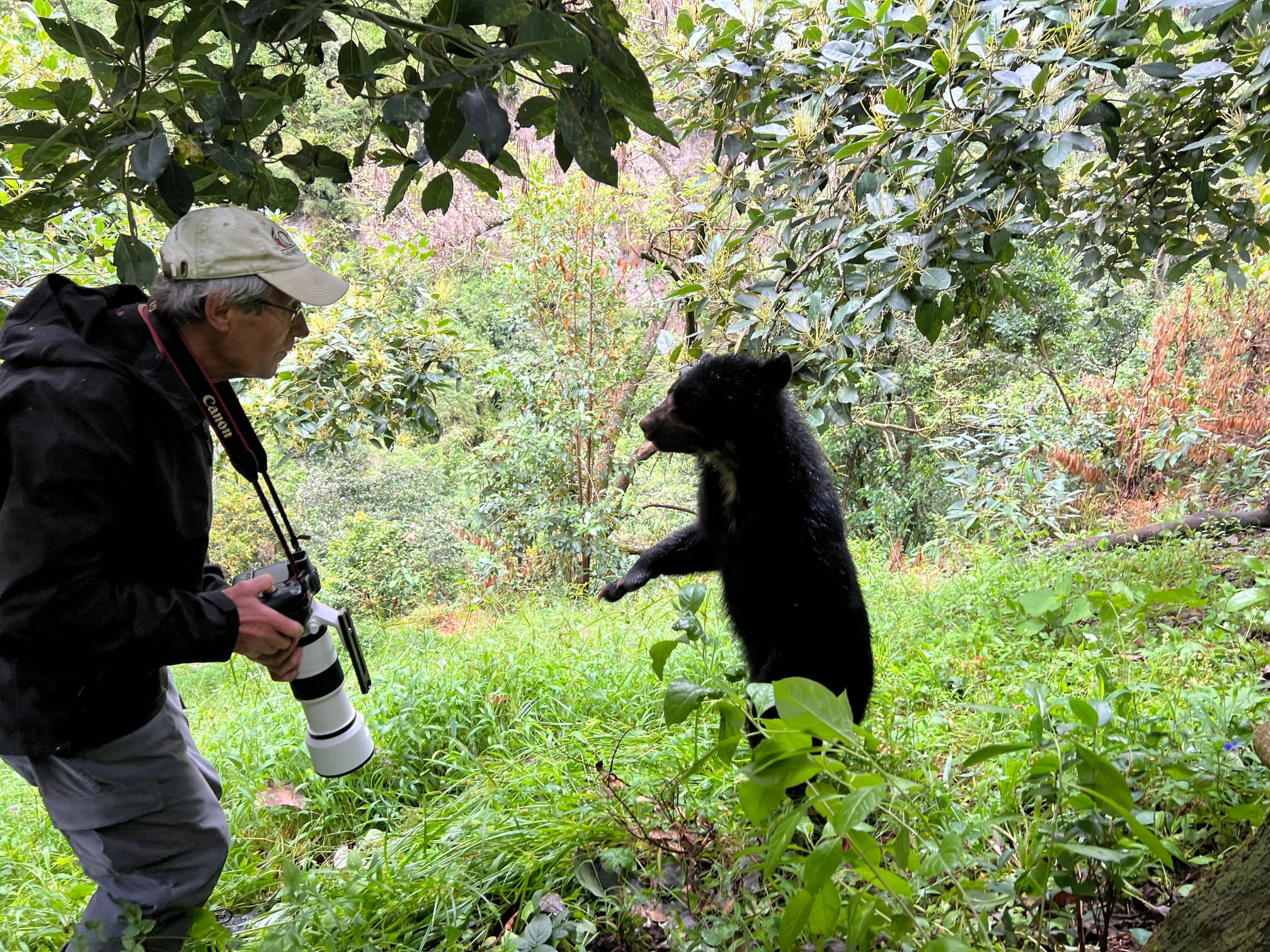
“Sometimes you can get very close to wildlife but it’s not scary because, in general, they’re not after you. As long as you’re paying attention and not doing anything crazy, you’re going to be fine,” he says.
In 2015, Dr. Gutoski visited Wapusk National Park in Churchill, Man. While on a drive, his tour group came across a remarkable scene: a red fox eating a white Arctic fox.
They pulled over and watched for over three hours in frigid -30 C weather.
After taking thousands of photos, six shots per second, he uploaded them to his computer. He came across one striking picture of the red fox dragging the carcass away.
“As soon as I got to that shot, I stopped. I didn’t do anything else. I just worked on developing that one, processing it, and I knew it was a pretty special shot right then and there,” he said.
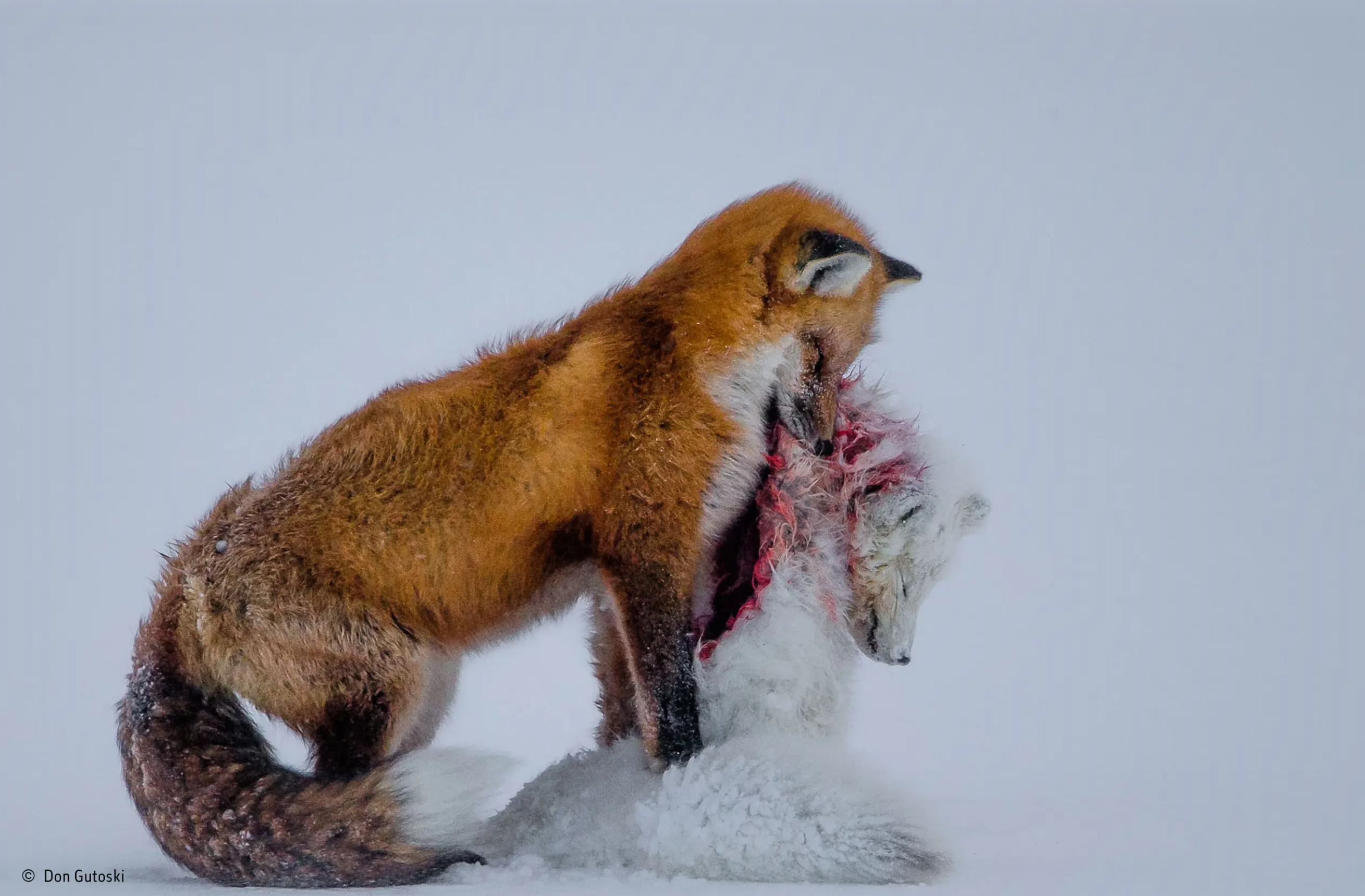
He submitted the photo to the Natural History Museum’s Wildlife Photographer of the Year competition. To his surprise, it won — and made international headlines.
Although he’s retired, Dr. Gutoski jokes that he has less time now than when he was working full-time.
He aims to go on wildlife excursions four times a year and snaps pictures of the nature in the 100 acres surrounding his rural London-area home.
For Dr. Gutoski, photography has become more than observing wildlife. It has given him the chance to explore the world outside of medicine.
“Every country I go to, I learn something different about the people and places,” he said. “And I make a lot of friends all over the world and try to travel and see those same people again.”