

Retired Physicians Memory Project — Mentorship
While early influences guided physicians toward medicine, mentorship played a crucial role throughout physicians’ personal and professional lives.
In this second part of the Retired Physicians Memory Project, we feature their reflections on the wisdom, encouragement, emotional support, and academic and professional guidance they received from mentors — as well as the powerful role they later assumed as mentors themselves to students and colleagues.
Together, these reflections highlight mentorship as a reciprocal force that shaped careers and strengthened communities.
Share your memories
We are still accepting submissions — share your experiences with us. If you would like to read any of the full submissions, please send an email to Knowledge and Records.

General and Family Practice, District 4
“It was probably my own family doctor who got me going. I was in Niagara Falls, there were 25 family doctors here and all carried a sizable load of people, did rounds every morning, met with each other, consultations in the doctor's lounge. It was like a fraternity, we wouldn’t let each other down.”
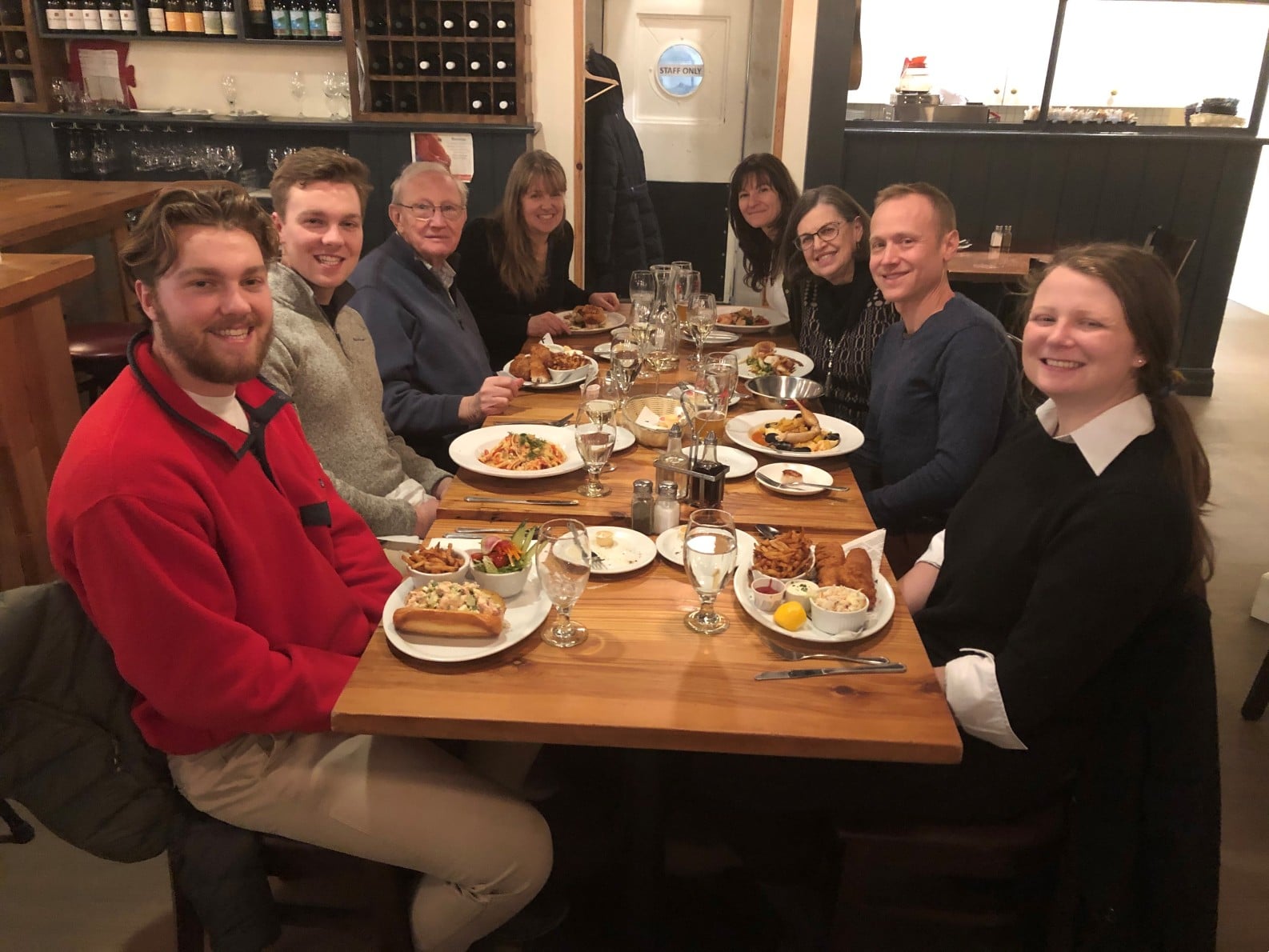
Dr. Douglas Blew, second down on the left, is seen here with his family, many of whom are also physicians.
Dr. Douglas Blew graduated from University of Toronto medical school in 1965, and practised family medicine in Niagara Falls, Ont. After 40 years, he gave up office practice, did a few short locums and then an opportunity came to be a surgical assistant, which was a blessing. Same hospital, same colleagues and something he always enjoyed and was good at. Ten years later, Dr. Blew was ready to “pass the torch” to some of his offspring and their spouses. Seven of the eight people around the table in the accompanying image are physicians!

Emergency Medicine, District 6
“The GP — Dr. John Tweddell of Queen's — aimed me in the right direction and I never looked back. I will never forget his relationships with his patients, his GP colleagues and the consultants he referred to. He impressed me enough to want to follow in his footsteps.”
A graduate of Queen’s medical school in 1967, Dr. John Bonn journeyed to the Royal Columbian Hospital in B.C. for a one-year Internship aimed at preparing him for community family medicine. He returned to his hometown of Trenton, Ont., and started a practice combining family medicine, obstetrics (close to 1,000 deliveries in 12 years) and anesthesia (after a three-month stint at Hôtel Dieu Hospital in Kingston, Ont.) For a short period, he performed tonsillectomies and adenoidectomies until an ear, nose and throat consultant arrived in the community.
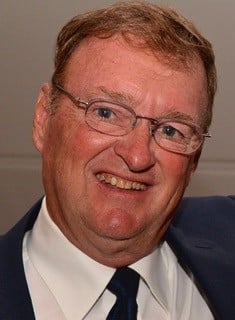
In 1981, Dr. Bonn moved into full-time anesthesia at the Belleville General Hospital, where he was appointed chief of staff in 1997, when four hospitals merged into Quinte Health. He served as a member of the CPSO council from 1985–1993 during which time he obtained a law degree from Queen’s University.
In July 1997, he was appointed registrar of the CPSO, a role in which he served for four years, after which he engaged in full-time emergency room medicine, at both Trenton Memorial and Belleville General Hospitals, until 2013, when he concluded his medical career on Christmas Day in the ER.
He was granted honourary membership to the medical staff at Quinte Health and awarded life membership in the OMA.

General and Family Practice, District 4
“Dr. Gerry Cohen was a brilliant supervisor in my Hamilton General residency and Dr. John Augustine in my early career. Both physicians challenged me to continue to stay current and (showed me) the reward of providing the highest level of care to my patients. When we had internal medicine rounds, Gerry frequently was more knowledgeable than the presenter, and John was such a professional physician who had a strong work ethic.”
After graduating from the family medicine program at McMaster University in 1979, Dr. Randolph Cross began his career at the Fort William Clinic in Thunder Bay, Ont., where he provided comprehensive family medicine care in both community and hospital settings.
In 1983, he established his own family medicine practice in Waterdown, Ont. As a family physician, he held active privileges at Joseph Brant Hospital, where he worked on call and provided obstetrical care and operating room assistance. Over the years, he served the hospital in several leadership roles, including chief of family medicine, chief of staff, and president of the medical staff.
Dr. Cross consistently encouraged the residents who trained with him to remain involved in hospital care, believing that such experience broadens the skills and perspective of a family doctor. Reflecting on his 41 years in family medicine, he remains deeply grateful for the mentors who shaped his journey and for the privilege of guiding others in theirs.
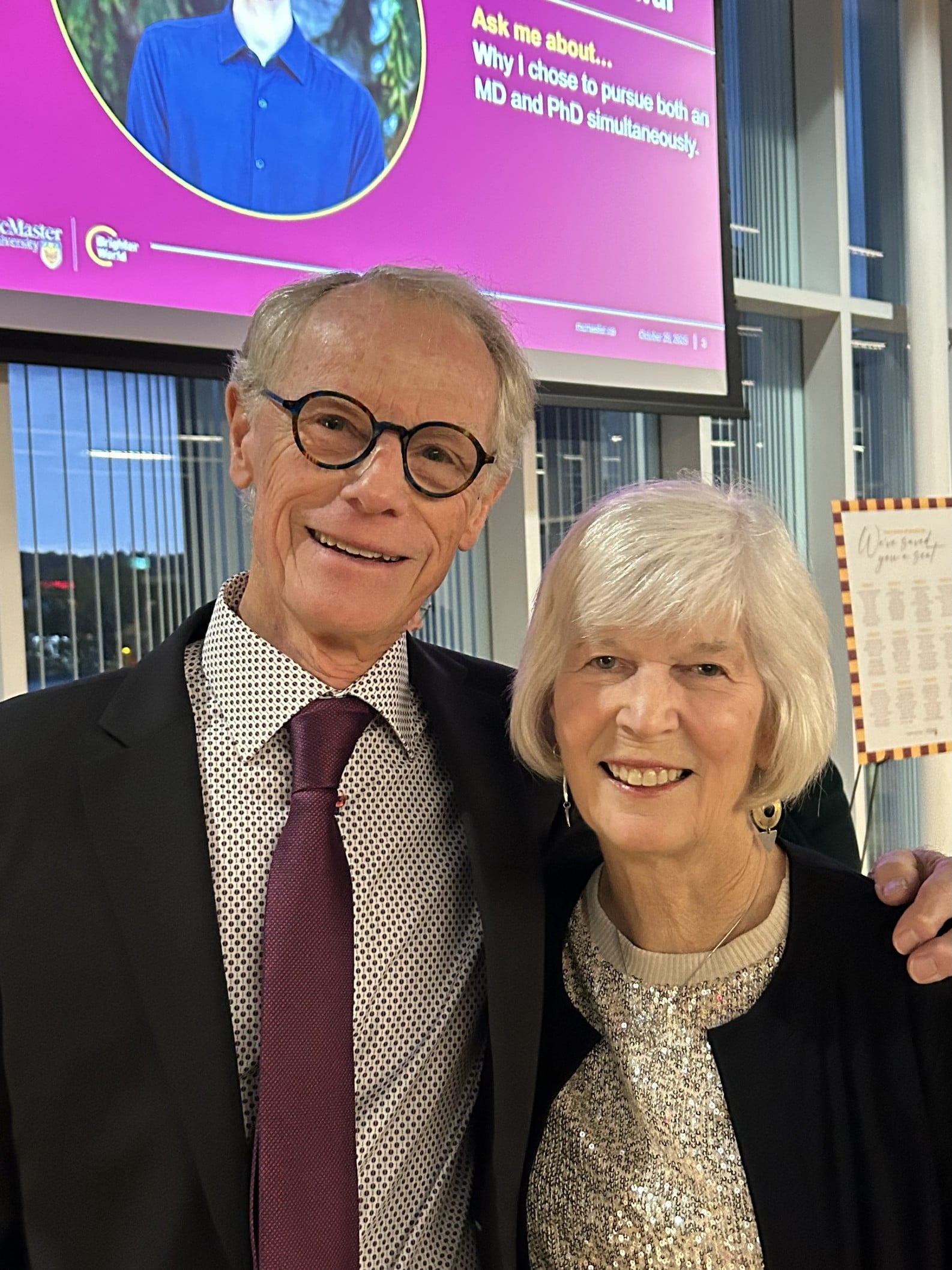
Dr. Randolph Cross, left, is seen with Dr. Patricia Wilson.

Surgical Assistant/Rural Medicine, District 8
“It was Dr. Juan Stocker, an OB-GYN from Montreal (where he'd pioneered obstetrical ultrasounds), who came to Almonte in 1982 (much to the chagrin of the Ottawa General (or Civic) who wanted him on their faculty!) but he wanted to help where he was needed. He was a gentleman, kind and respectful, calm and measured, and very good at what he did. He was a great teacher. He was the sole OB-GYN at the hospital for 15 years! You don't see that anymore.”
Dr. Christiane Deschênes was born in Montreal to a mother who was a nurse and a father who was a dentist. Physics and math were her favourite subjects in school, and she initially contemplated an austere career in the sciences. That changed when a clever teacher paired classical music — one of her passions — with poetry, sparking an interest in working with people. Medicine soon emerged as the perfect combination of science and humanity, and family medicine became her chosen path.
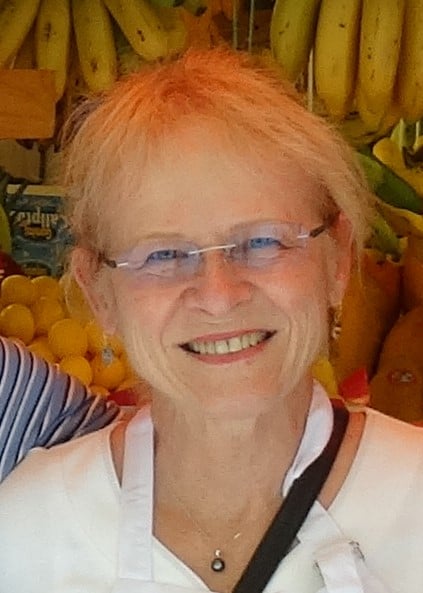
She completed a rotating internship at the Jewish General Hospital and practised for several years in a Montreal suburb. When friends living outside Almonte, Ont., mentioned that their community was seeking a fourth physician, she followed their lead. After meeting the administrator on a Saturday afternoon, she moved there just a couple of months later. She found small community hospital practice deeply rewarding, offering rich diversity through obstetrics, emergency care, surgical assistance, office practice — and even hospital administration.
Dr. Deschênes is married with four children (she notes she “had to have nannies!”), and now enjoys six wonderful grandchildren.
She reflects that she has worked hard, but has had a great life.

General and Family Practice, District 6
“Dr. Al Lackey, a general surgeon, lived next door to us when I was growing up. When he heard I wanted to become a doctor, he began taking me on rounds at our local hospital. When I was a young medical student, he taught me the art of diagnosis by taking me to the local emergency room when he was seeing a patient. My job? To look and listen, and, at the end of the consultation, he would ask me, 'Is this patient sick or not? And how do you know that?' Dr. James McSherry was my first boss at my first job as a student health services physician. Many days after work he would go over my cases with me, and I picked up so many pearls of wisdom. One of my favourites for when I was stuck was, 'If you can't make a diagnosis, make a decision.' That helped me so much as a very new and green family physician.”
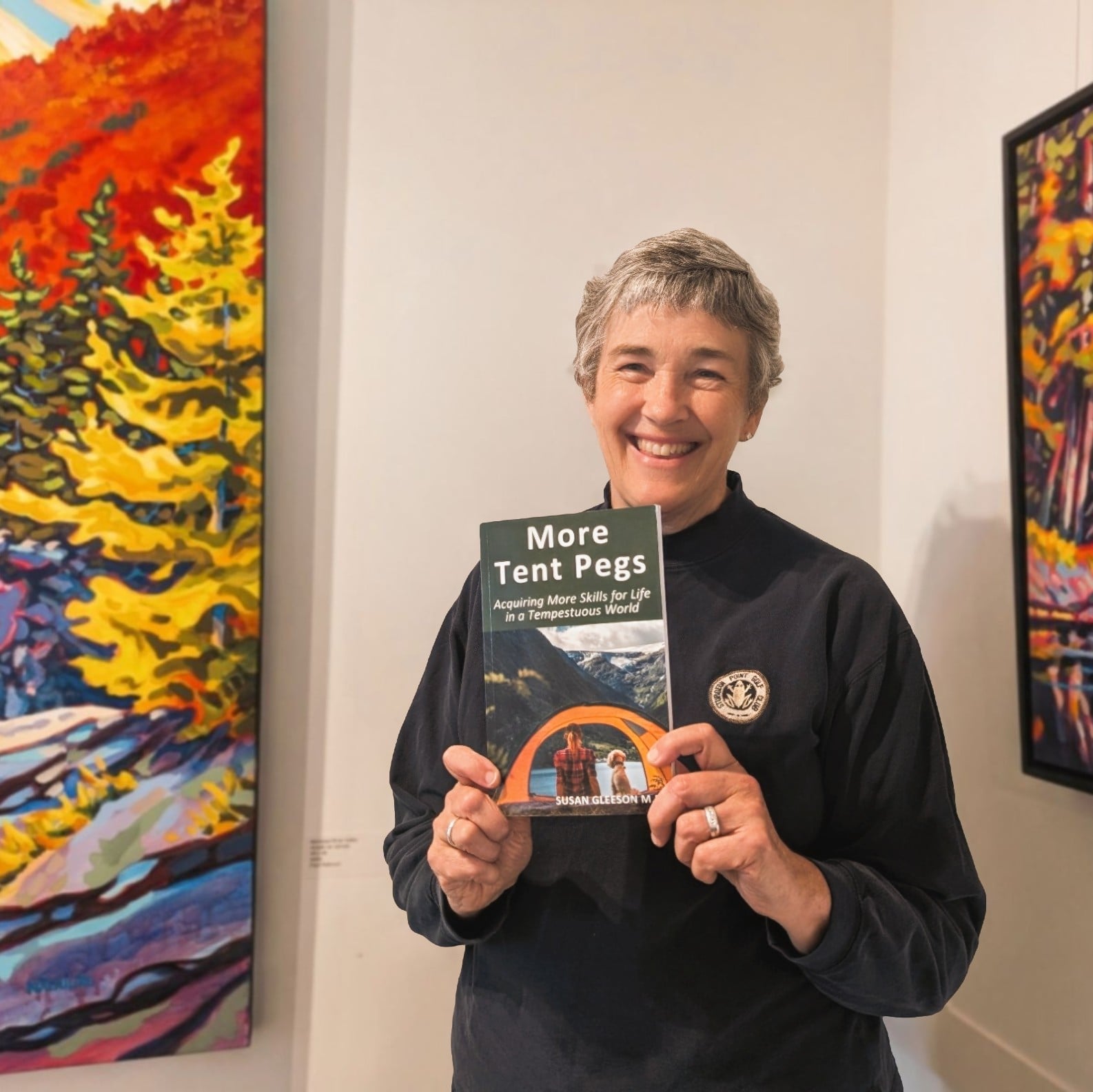
Dr. Gleeson graduated from Queen’s University in 1979. She practised family medicine for 37 years before retiring in 2019. Since that time, she has leaned into her second love-writing. She has created and facilitated many workshops in the areas of personal growth and stress management. She has also written and self-published seven books, including Healing Soul Misery: Finding the Pathway Home (2011), If I Love You, Why is it so Hard to Live With You (2013), I Didn’t Really Want to Be There (2015), We Are Already Whole (2021), Fully Connected (2023), Tent Pegs: How to Live With More Strength and Stability (2024) and More Tent Pegs: Acquiring More Skills for Life in a Tempestuous World (2025).
She also writes a blog at www.clarityforfreedom.com. When she’s not writing, she loves gardening, making art, reading for pleasure and being a lifelong learner.

Pediatrics, District 11
“Dr. Peter Turner. Professor of pediatrics, Hospital for Sick Children. Such a gentleman, always listened, never got flustered, always thoughtful. Appeared concerned about how the patient felt, not simply the disease as a problem. Nothing beats knowledge. Get as much information as possible, but always consider what might be going on that you are unaware of.”
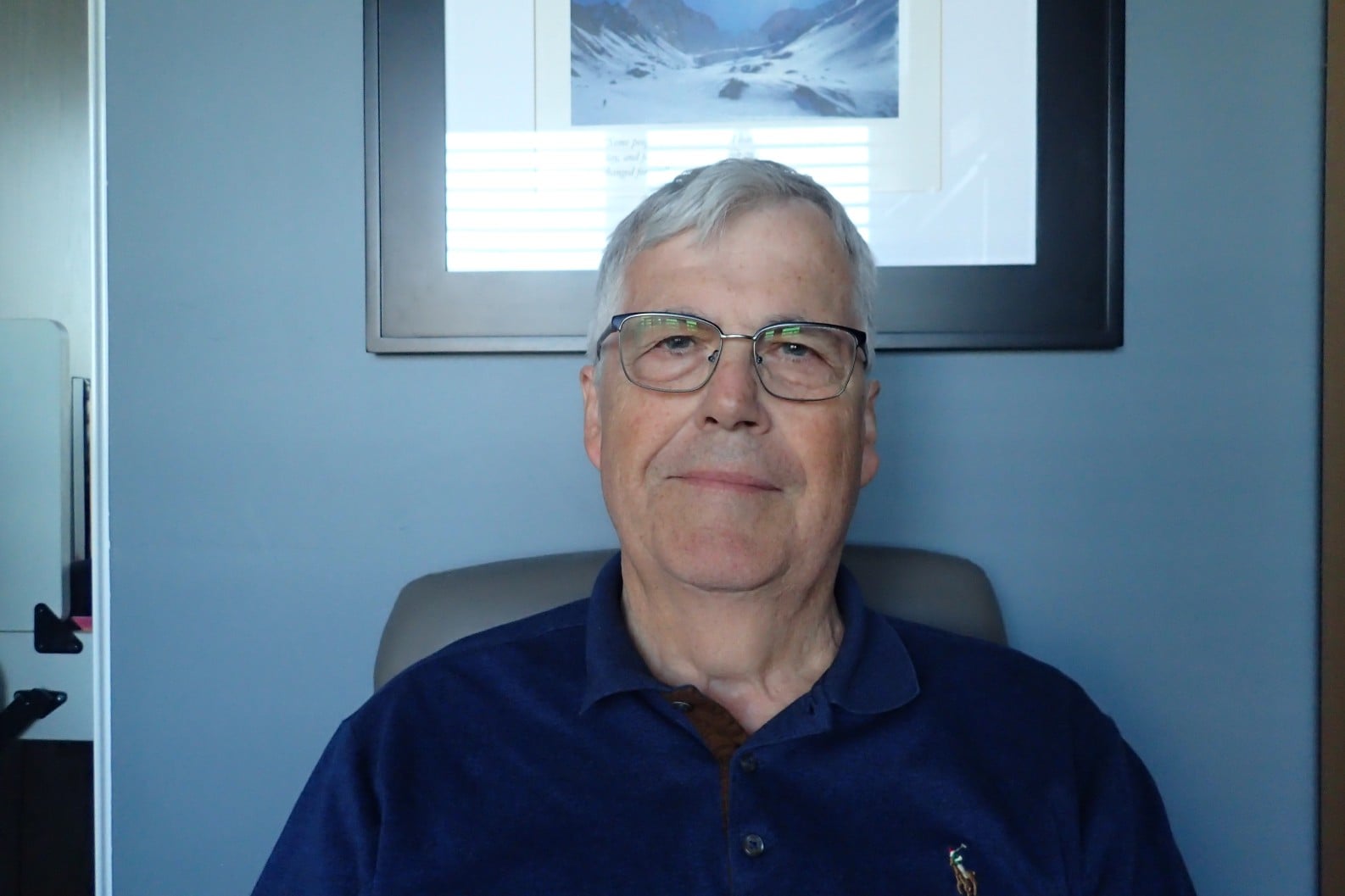
Dr. Ian MacLusky was born in 1952, in Deep River, Ont., but grew up in England. He trained in medicine at St Mary’s Hospital (Imperial College, London), and qualified in 1976. He then did three years of rotating “house jobs” in the U.K.
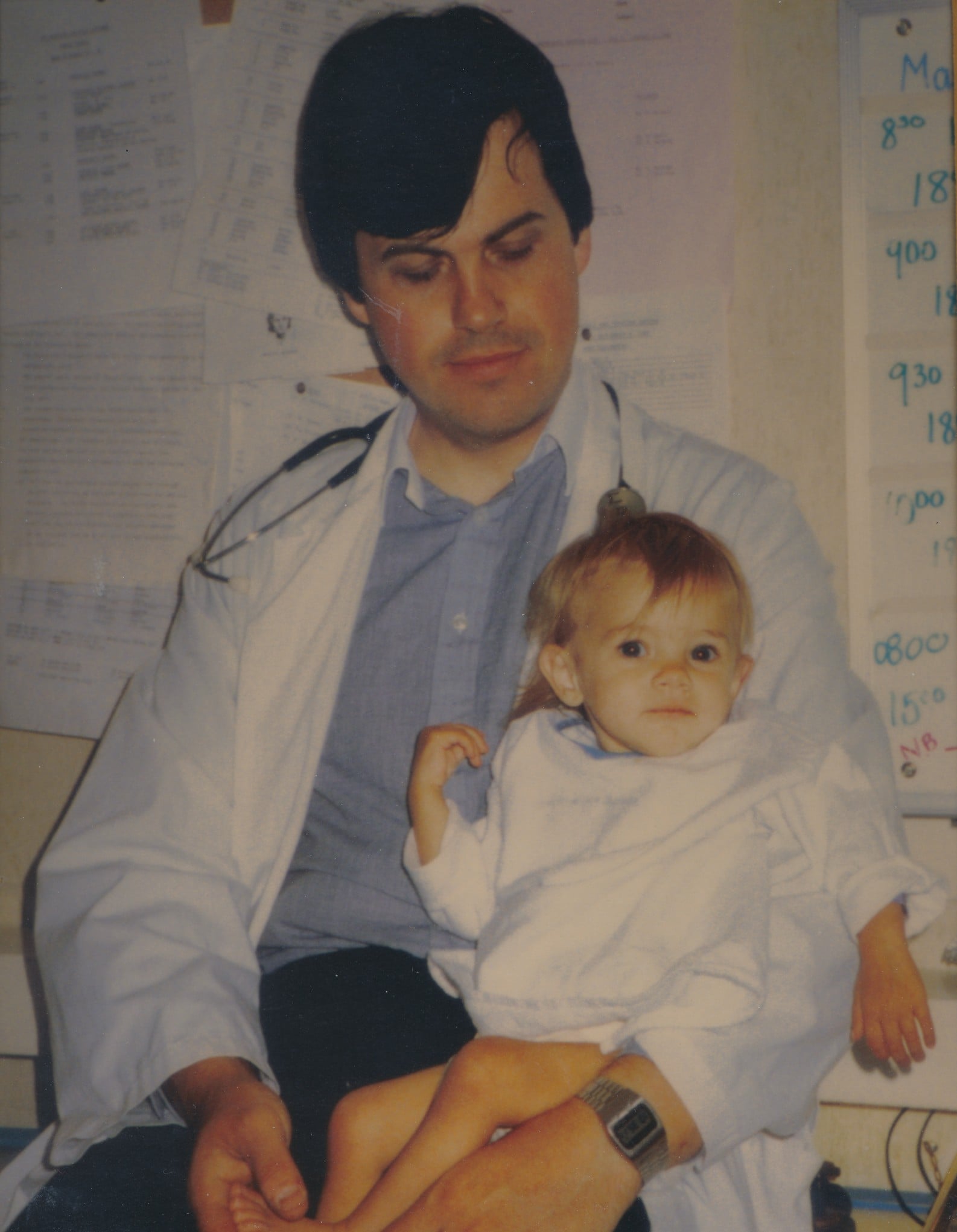
In 1982, Dr. MacLusky was accepted into the pediatric residency program at McMaster University medical school, and subsequently accepted into the respiratory medicine fellowship program at the Hospital for Sick Children in Toronto, where he met Dr. Peter Turner, who solidified his interest in pediatric respiratory medicine.
In 1984, Dr. MacLusky was appointed staff physician, respiratory medicine, and associate professor at the University Toronto. His role was primarily the management of complex pediatric respiratory disease. He was instrumental in initiating the division’s sleep medicine, home ventilation, bronchoscopy and lung transplant programs.
He was appointed associate professor at the University of Toronto in 2006 and head of the division of respiratory medicine program at the Children’s Hospital of Eastern Ontario in 2007, stepping down in 2018, and finally retiring in 2024.

General and Family Practice, District 5
“To this day, I hold in high esteem the specialists and family doctors who were truly collegial in mentoring me as a young doctor in my first practice. Among my specialist colleagues was Dr. John Roe, chief of obstetrics and gynecology at the Chatham Public General Hospital, now Chatham-Kent Health Alliance. I credit John with making my first 15 years of obstetrics so enjoyable. I went on to manage many difficult deliveries on my own, though John was always ready to help, also providing gynecological surgery for my patients from time to time with my assistance. Besides teaching me what trusting, collegial relationships were, he also taught me to laugh at myself despite the noble profession we'd chosen. He was a primary source of joy in the doctors' lounge, always ready with a smart quip, which he knew enough to keep there. John remained a friend after I left Chatham, Ont., in 1995. Much later, he and his wife were welcomed as guests at my daughter's wedding. John passed away in 2021, over 80 years of age.”
Dr. John Maxted is a retired family physician who received his MD from the University of Ottawa, family medicine certification and fellowship from the College of Family Physicians of Canada, and MBA from the Rotman School of Management, University of Toronto.
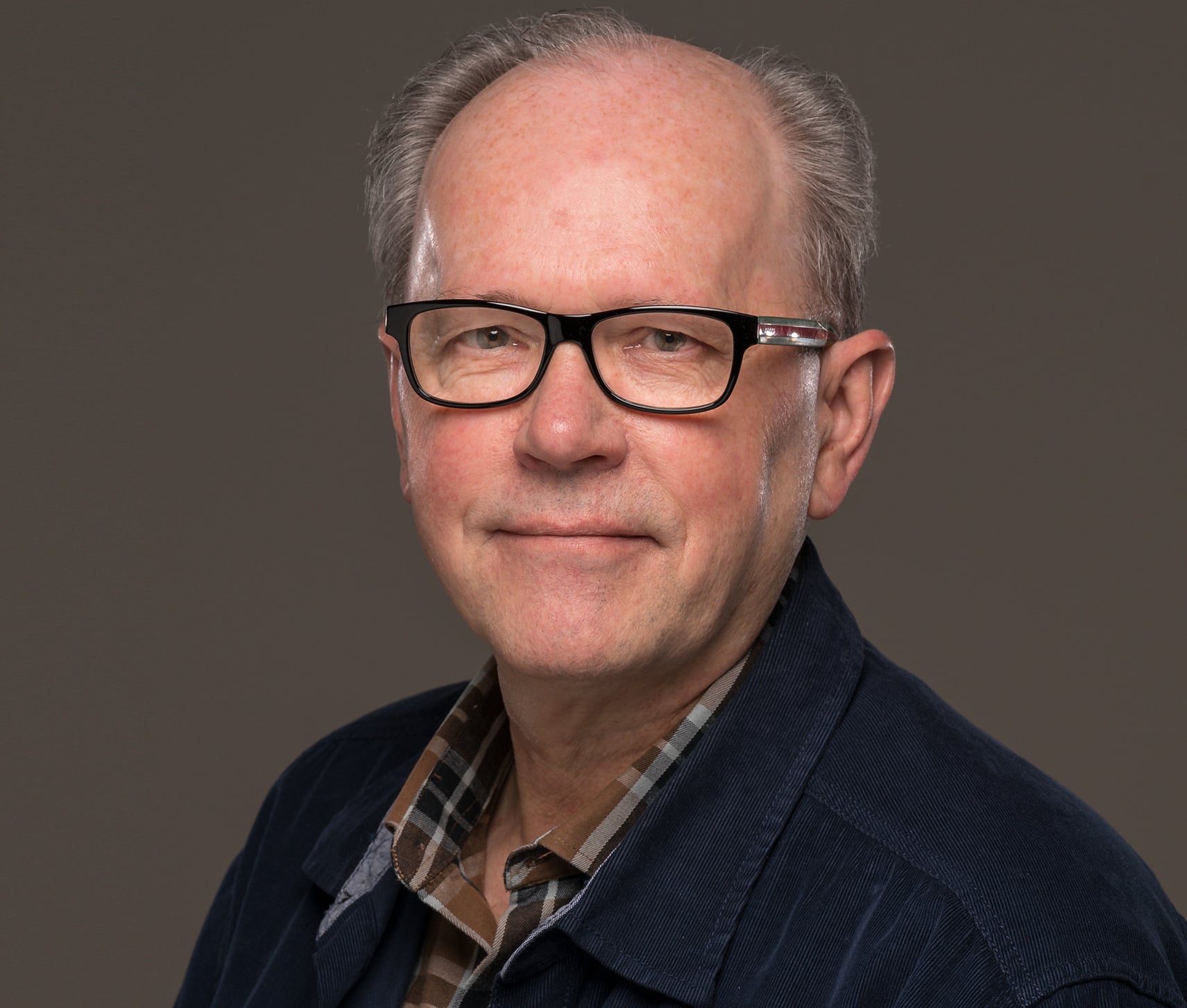
Dr. Maxted loved practising family medicine and did so comprehensively for 46 years. By integrating practice with numerous other opportunities as a family doctor, he opened his career to an exciting array of leadership and management experiences in regional and national health care as well as teaching. After practising for 19 years in rural southwestern Ontario, having been chief of staff in Chatham while obtaining his MBA, he became chief of staff at Kitchener, Ont.’s Grand River Hospital, then vice-president of professional affairs for a London-based national homecare company, followed by associate executive director for health and public policy at the CFPC, before bringing his career to a close as associate professor of medicine at the University of Toronto and academic chief of the Markham Family Medicine Teaching Unit.
Insights about his varied and engaging experiences are revealed in his book: To be a Family Doctor…. And More Than That!

Gastroenterology, District 5
“During my medical training, I had the most fun and learning with the GI group in Kingston, Ont. They taught me that physicians do not have to put on airs. They taught me how to help family doctors with difficult patients, not just by seeing, making a diagnosis and sending them back, but to follow up to see if our recommendations worked and to learn what really works.”
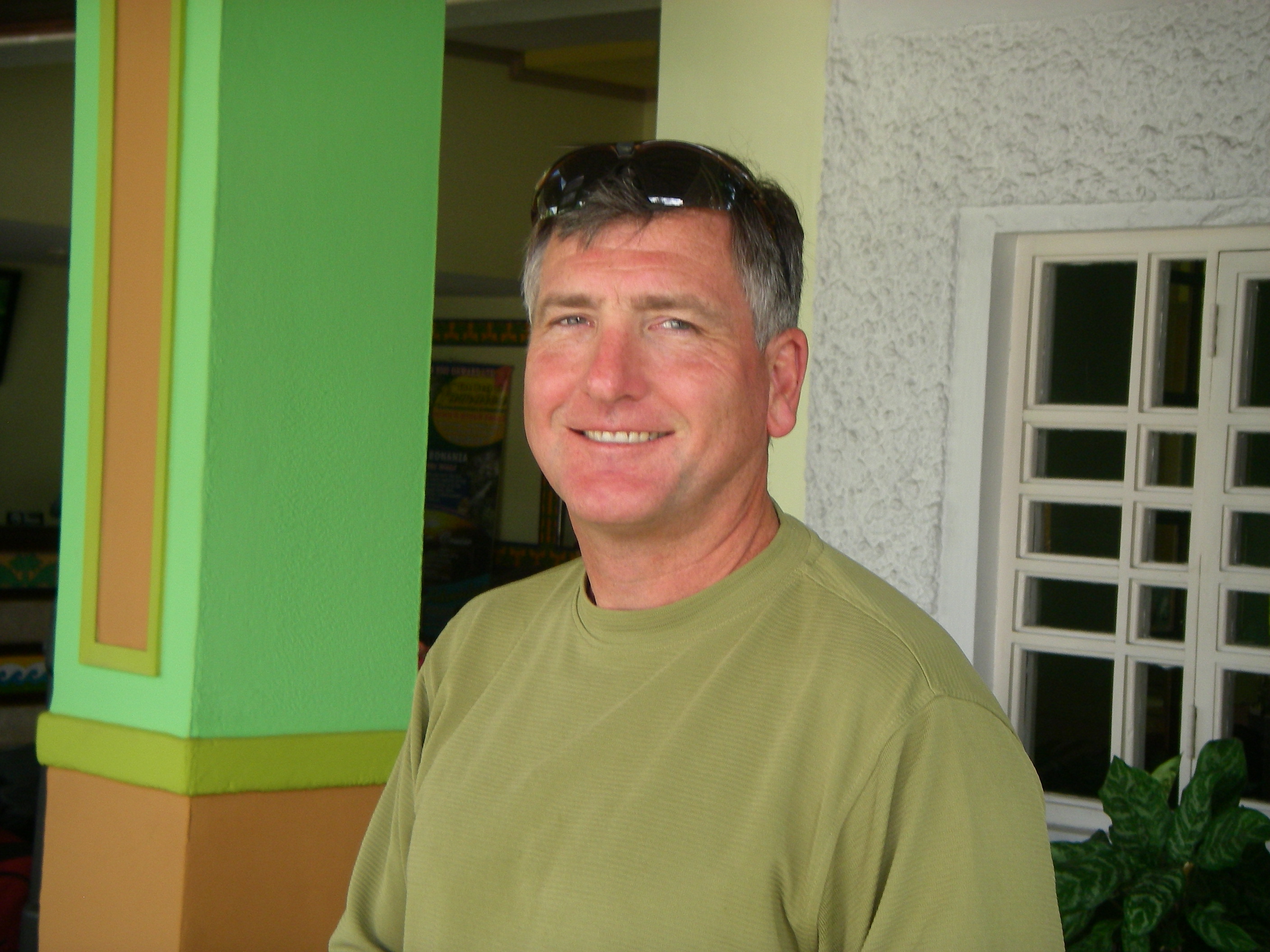
Dr. Brian Murat received his medical degree from Queen’s University in 1985. After training in internal medicine at the University of Toronto, he returned to Kingston to complete his specialty training in GI. Searching for a community in which he could practise, he and his wife Ann settled in Huntsville, Ont. He was responsible for on-call internal medicine, including ICU care and acute stroke care.
In addition, Brian has been able enjoy a general gastroenterology and hepatology practice and oMered his community a full range of endoscopic expertise. He has been a proud member of the faculty of medicine for the Northern School of Medicine and is a faculty member for the Canadian Association of Gastroenterology’s skills enhancement in endoscopy courses. He is the author of the book, Do I Need to See the Doctor. Now semi-retired, Dr. Murat still enjoys living in Muskoka and enjoying all that it oMers year-round.

Primary Care Mental Health, District 1
“At the end of the high school years, I had very poor grades. Barely good enough for university, never mind medical school. I decided to get a job and go to a community college in the evenings to improve my grades. I applied for a job as a laboratory technician at the Royal College of Surgeons in London, England. I was interviewed by professor James Payne, who was the professor of the department of anesthesia. I told him my story and of my desire to be a doctor. He told me that he had seen other young men in my position. He told me that they had tended to be seduced by the money they earned as a technician and lost focus on their studies. Then they settled for being a laboratory technician. He told me, ‘Mr. Murphy, much as I need a laboratory technician, if you want to go to medical school and be a doctor, then you need to go to community college full-time.’ And that is what I did. I focused on my studies for the next year. When I re-wrote my examinations, I achieved high grades. With those grades, I was accepted into the medical school at the University of Manchester. I have been forever grateful to professor Payne.”
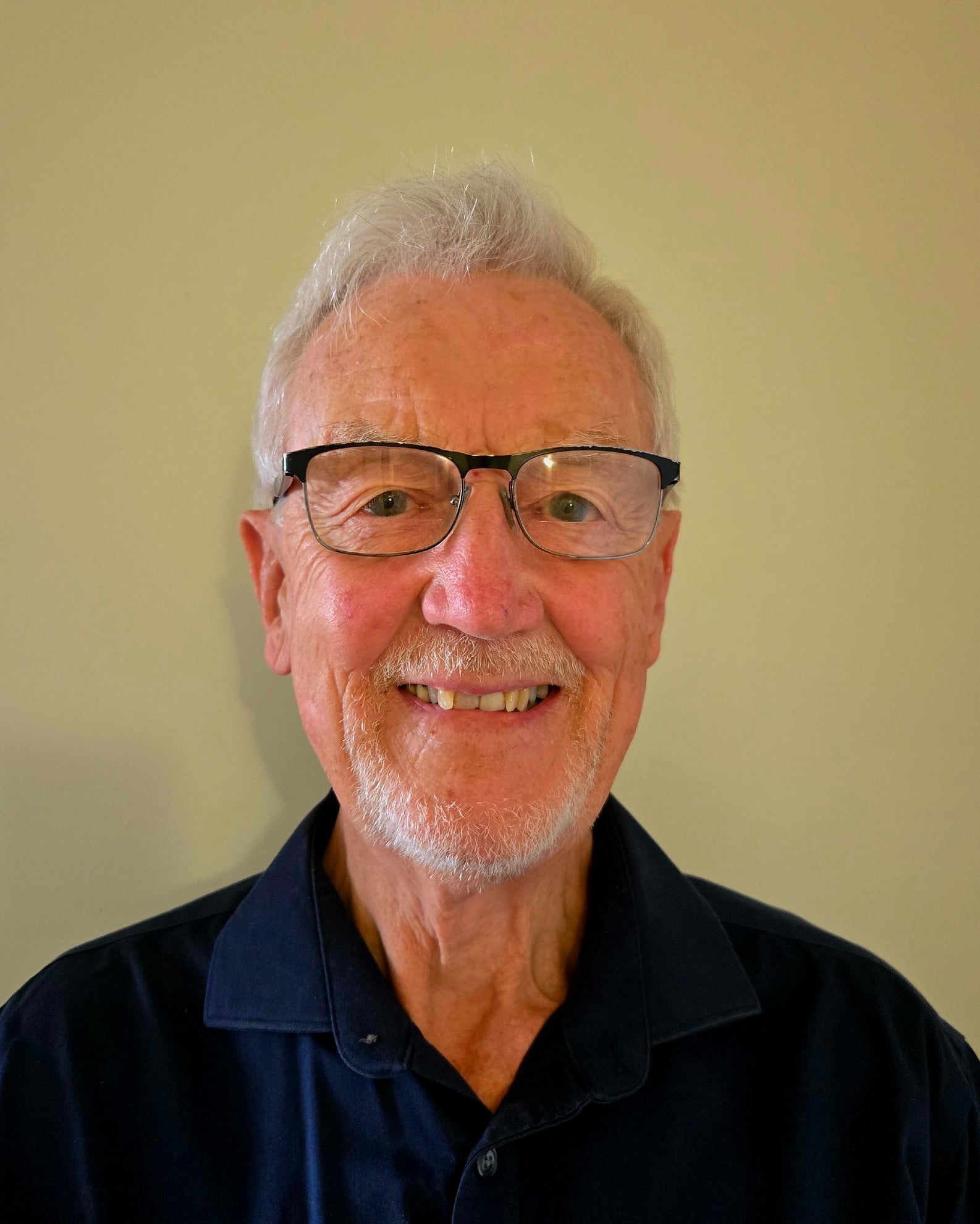
Dr. David Murphy grew up in London, England. Both his parents were psychiatric nurses. He graduated from the University of Manchester medical school in 1973. Dr. Murphy initially chose a career in psychiatry, training at the University Hospital of South Manchester. However, he had a change of heart and decided that a career in psychiatry was not for him after all.
After experiencing training in emergency medicine, obstetrics and gynecology, pediatrics and anesthesia, and working as a family physician, he chose a career anesthesia.
After moving to Canada in 1977, he completed his training in anesthesia at Queen’s University. He qualified as a fellow of the Royal College of Physicians and Surgeons of Canada in 1981. His career as an anesthesiologist came to an end when he experienced exhaustion and burnout.
Since 1993, Dr. Murphy has focused his medical practice on psychotherapy and hypnotherapy, helping his patients find wellness and well-being. He treats sexual offenders and has been qualified by the court as an expert in forensic psychotherapy and treatment of sexual offenders. Dr. Murphy has been married to his wife Arlene for 32 years. They live in Leamington, Ont., and have three grown children.
Dr. Murphy says he will be “forever grateful” to professor James Payne, right, for encouraging him to focus on his studies so he could get into medical school.
Psychiatry/Addiction medicine, District 5
“Dr. F.E Lewis, a psychiatrist in Trinidad was my first mentor. He encouraged me to be curious and not be satisfied with the received wisdom. Sadly, I found that curiosity was not rewarded in the training in psychiatry. Dogma prevailed.”
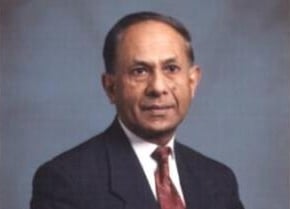
Dr. Emmanuel Persad was born in Trinidad and earned his medical degree from the University of Durham in England in 1964. He completed postgraduate training in psychiatry at the University of Toronto, receiving his diploma and the gold medal in 1969, and achieving certification in psychiatry the same year. He joined the University of Toronto faculty in 1971, holding senior roles at the Clarke Institute of Psychiatry, before moving to the University of Western Ontario (now Western University) in 1989.
From 1994 to 2001, Dr. Persad served as chair and professor of psychiatry and chief of psychiatry at affiliated hospitals, where he led consolidation of acute care services, expanded research programs and developed a regional tertiary consultation network. He was a founding member of the Ontario Psychiatric Outreach Program and contributed to tele-psychiatry and northern outreach initiatives.
Dr. Persad served nationally and internationally through the Royal College of Physicians and Surgeons of Canada, including as chief examiner and chair of the Specialty Committee in Psychiatry, and helped shape postgraduate education strategies for the Canadian Psychiatric Association. He represented the Royal College to establish reciprocity in training in psychiatry with the U.S. His scholarly work includes four books, numerous chapters and peer-reviewed publications in leading journals, supported by sustained research funding. His contributions have been recognized with multiple honours, including a special award from the Canadian Psychiatric Association, life membership in the Ontario Medical Association and fellowship in the CPA.
Beyond medicine, Dr. Persad has been active in church leadership and community service. He has been married to his wife for over five decades, and they have two children and two grandchildren. After a distinguished 60-year career, he retired from clinical practice in 2025.

Radiation Oncology, District 11
“My MSc thesis supervisor was, and is, an incredibly creative researcher. I perceived him as someone who could really think outside the box, and I wanted to be like him. However, the structure of our specialties was different, and I was blocked from following his clinician-scientist pathway. I had to find my own pathway forward to research. Years later, when I wanted to take a sabbatical, I was disappointed to find that he reserved his out-of-box thinking for his research, but was very conventionally minded about how a doctor should pursue a career. His disapproval, once I understood that it was coming from a place of love (and fear) for me and my future, actually strengthened my resolve to forge a new path. I thought, ‘if even someone as creative as him thinks this is impossible, how will my younger colleagues ever feel empowered to do it (if they want to)? I guess I need to be the trailblazer.’”
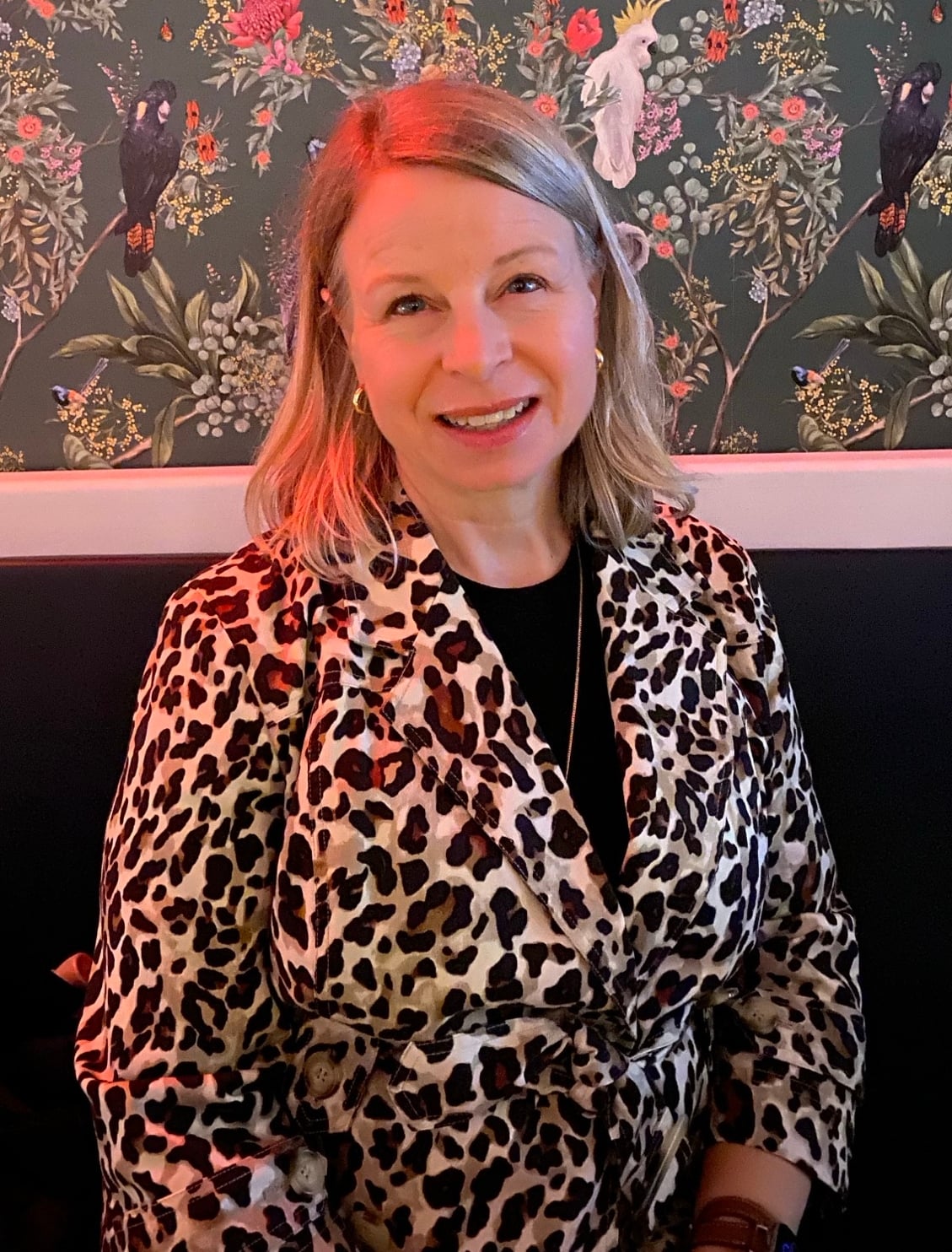 Dr. Jolie Ringash is a professor in the Temerty Faculty of Medicine at the University of Toronto. She is a member of the departments of radiation oncology, otolaryngology-head neck surgery and the Institute of Health Policy and Evaluation. Still active as an academic at the Princess Margaret Cancer Centre/University Health Network, she retired from clinical practice in 2024.
Her research interests may be summed up as high-tech, high-touch and have focused on survivorship and quality of life of cancer patients, as well as advanced radiotherapy techniques designed to reduce normal tissue injuries. She practised for many years in the treatment of gastrointestinal cancers, but most recently focused on the care of patients with cancers of the head and neck.
She has a longstanding interest in mentorship, and is now also investigating the experiences of physicians through late-career transitions. She is a great believer in the importance of a life outside medicine and the healing properties of exposure to the arts.

Neurology, District 2
“More than one. There were several zoology profs (Stinson, Bourne, MacMillan, Steele) who sparked my love of biology (I think of medicine as human biology); a psychology prof., Jaroslav Havelka, who taught us physiological psychology even though it was not on the curriculum (he was the reason I did neurology); Ramsay Gunton, who at the end of my medicine residency said, ‘I think you should go to San Francisco to do clinical pharmacology’; and Henry Barnett, whose only question when I interviewed for neurology training was ‘Are you ambitious?’ Although he was better known for other accomplishments, he was a great teacher of clinical neurology.”
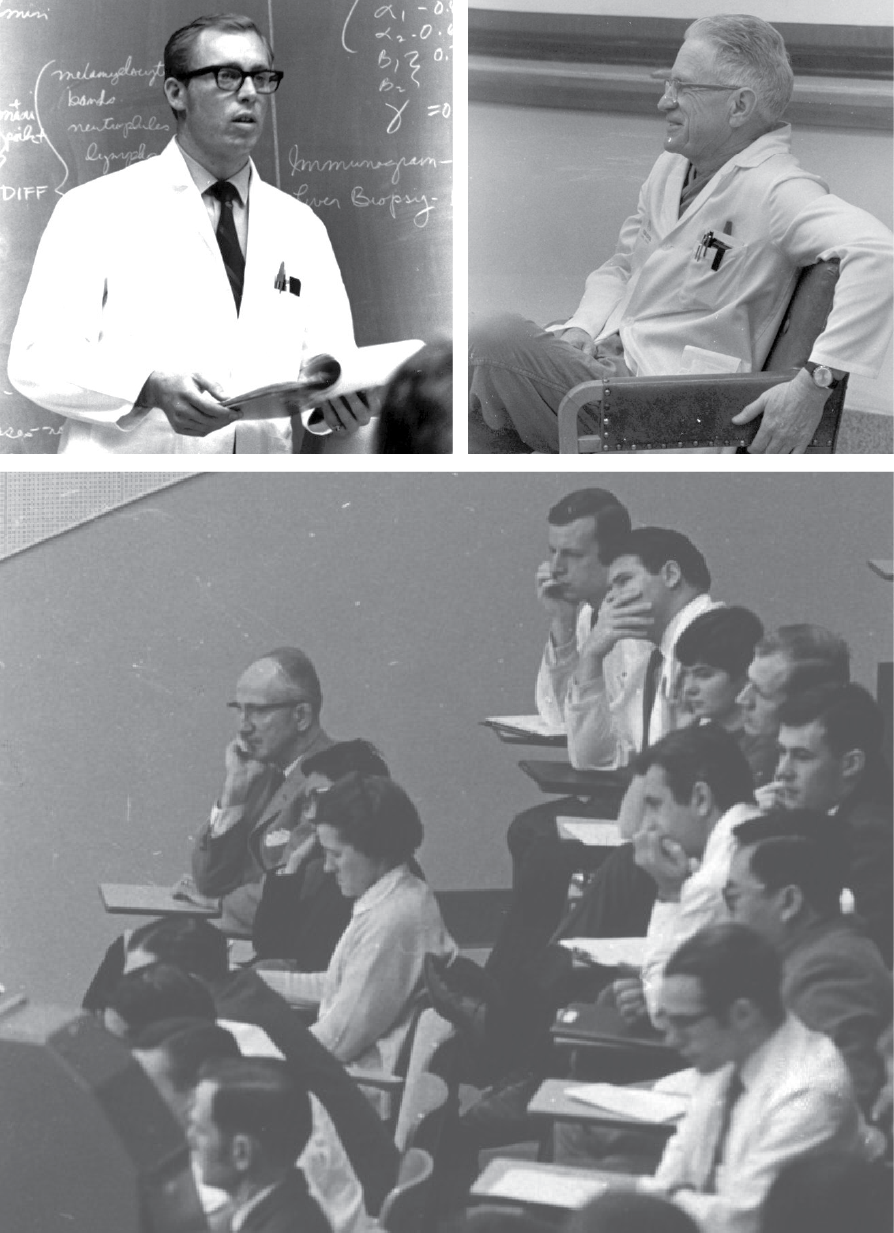
With sadness, we announce the passing of Dr. David Spence on Aug. 10, 2025, at the age of 80.
Dr. Spence was a world-renowned neurologist and researcher, and a professor at Schulich School of Medicine & Dentistry at Western University. He was the founder of the Stroke Prevention and Atherosclerosis Research Centre based at the Robarts Research Institute in London, Ont.
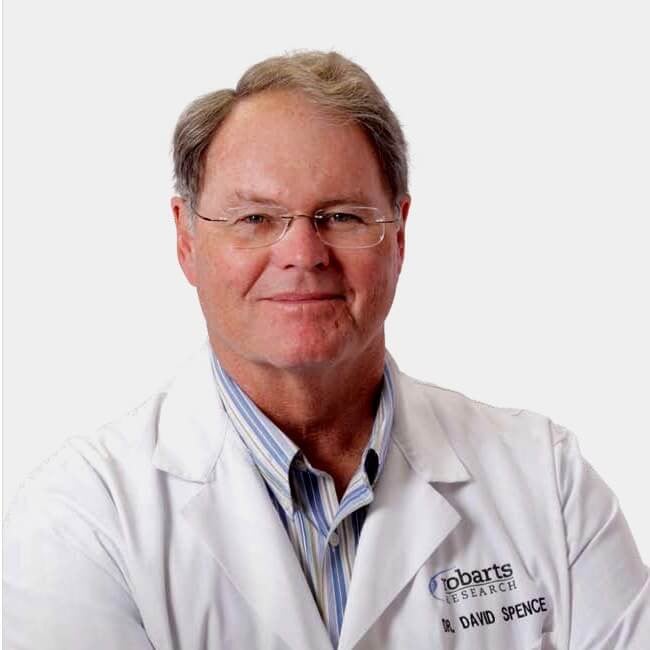
Dr. Spence's career spanned more than 50 years and resulted in the treatment of more than 40,000 patients, the publication of more than 600 papers and more than 570 invited presentations in 36 countries. In addition to his passion for research and clinical work, he was also dedicated to mentorship, teaching stroke prevention to hundreds of neurologists and general physicians throughout his career.
Dr. Spence is best known for pioneering the use of ultrasound technology for predicting cardiovascular risk, identifying new causes of atherosclerosis, measuring effects of therapy and treating arteries to prevent strokes and heart attacks. It was for this work that he was appointed to the Order of Canada in 2019.
While Dr. Spence is no longer with us, his legacy lives on through the Stroke Prevention and Atherosclerosis Research Centre, and through the hundreds of doctors he helped train.

Psychiatry, District 2
“I had a caring program director, consultants in Cardiff, U.K., who made a strong impact on my interest in rehab of psychiatric patients and quality of life issues. They were also empathic and supportive when I faced a personal challenge of caring for my three-year-old, who was diagnosed with leukemia, during my senior registrar training in psychiatry.”
As a medical student in India in the ‘60s, Dr. Bogeswari Venkatesan was fascinated to hear the case histories and see patients in the old "Mental Hospital" (Asylum). She was taught by the first woman psychiatrist in India, who had dedicated her career to psychiatric rehabilitation.
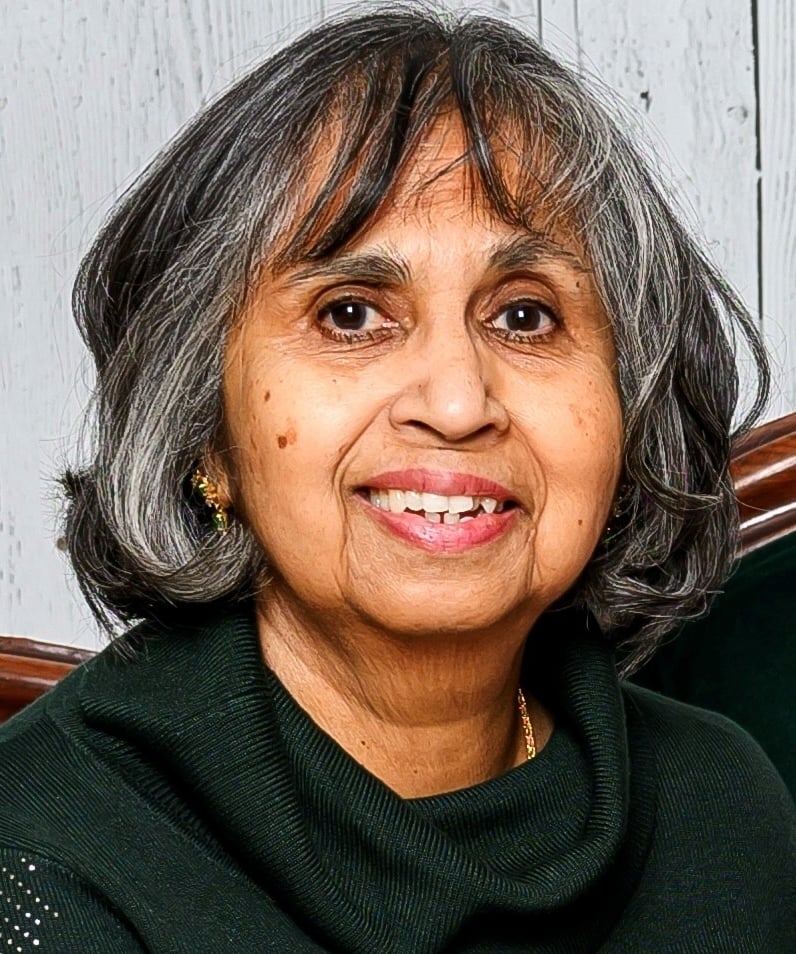
Later, as a trainee in the U.K, Dr. Venkatesan was fortunate to work with consultants in different aspects of psychiatry, including puerperal and postpartum illnesses, consultation liaison in urban and rural areas.
Having a caring program director and working in a day hospital program in Cardiff, Wales, made a strong impact on her interest in rehabilitation of psychiatric patients and quality of life issues.
Their continued empathic support extended into her personal life while she was caring for her three-year-old, diagnosed with leukemia during her senior registrar training.
When Dr. Venkatesan moved to Canada, she had to adapt by leaving academic psychiatry because of the challenges of balancing professional and personal life, but continued to engage in clinical practice in a hospital and community setting. She has always enjoyed giving talks in formal and informal settings, being a part of the London Middlesex Suicide Prevention Council and on the Advisory Board (London Chapter) for Bereaved Families of Ontario for several years.
Dr. Venkatesan has shared her experiences of a rewarding career in psychiatry with medical students, residents and community groups even after retirement.

General and Family Practice, District 10
“I can think of two mentors in particular: One was a family doctor who was my preceptor as a resident, and had such a love of her job that I knew I had chosen the right specialty. The other was a pediatrician who had such a gentle and respected way with kids and parents. Through my career, I would continually remember things he had taught me when working with patients.”
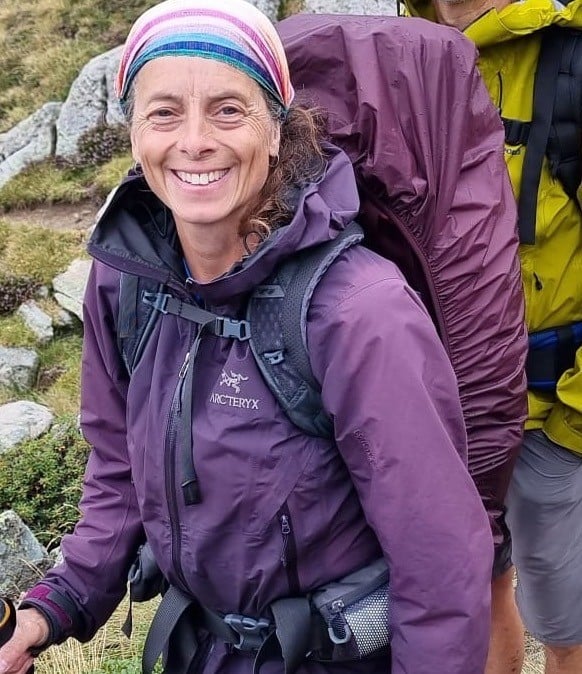
Dr. Nicola Wilberforce started her health-care practice as a physiotherapist working first in southern Ontario, then moving to Sioux Lookout, Ont., and finally to Thunder Bay, Ont.
After working for ten years as a physiotherapist, she applied and was accepted into McMaster medical school. Dr. Wilberforce chose family medicine to allow her to complete residency and then practised in Thunder Bay. She retired from family practice in Nov. 2022 and completely retired from medicine in June 2024.
Dr. Wilberforce enjoys her free time by walking and running with her husband, Darren, and her two dogs, as well as spending time with their four children in the beautiful landscape of northwestern Ontario and exploring Canada. Dr. Wilberforce continues to promote planetary health within her community.